


A Decree That Reveals Everything
The council's language survives in the record, and it's worth sitting with. Bishops in the 12th century weren't in the business of banning hunting equipment. So why single out this invention — not the sword, not the mace, not the trebuchet — as uniquely offensive to God?
The answer has almost nothing to do with cruelty and everything to do with engineering — and what engineering can do to a social order.
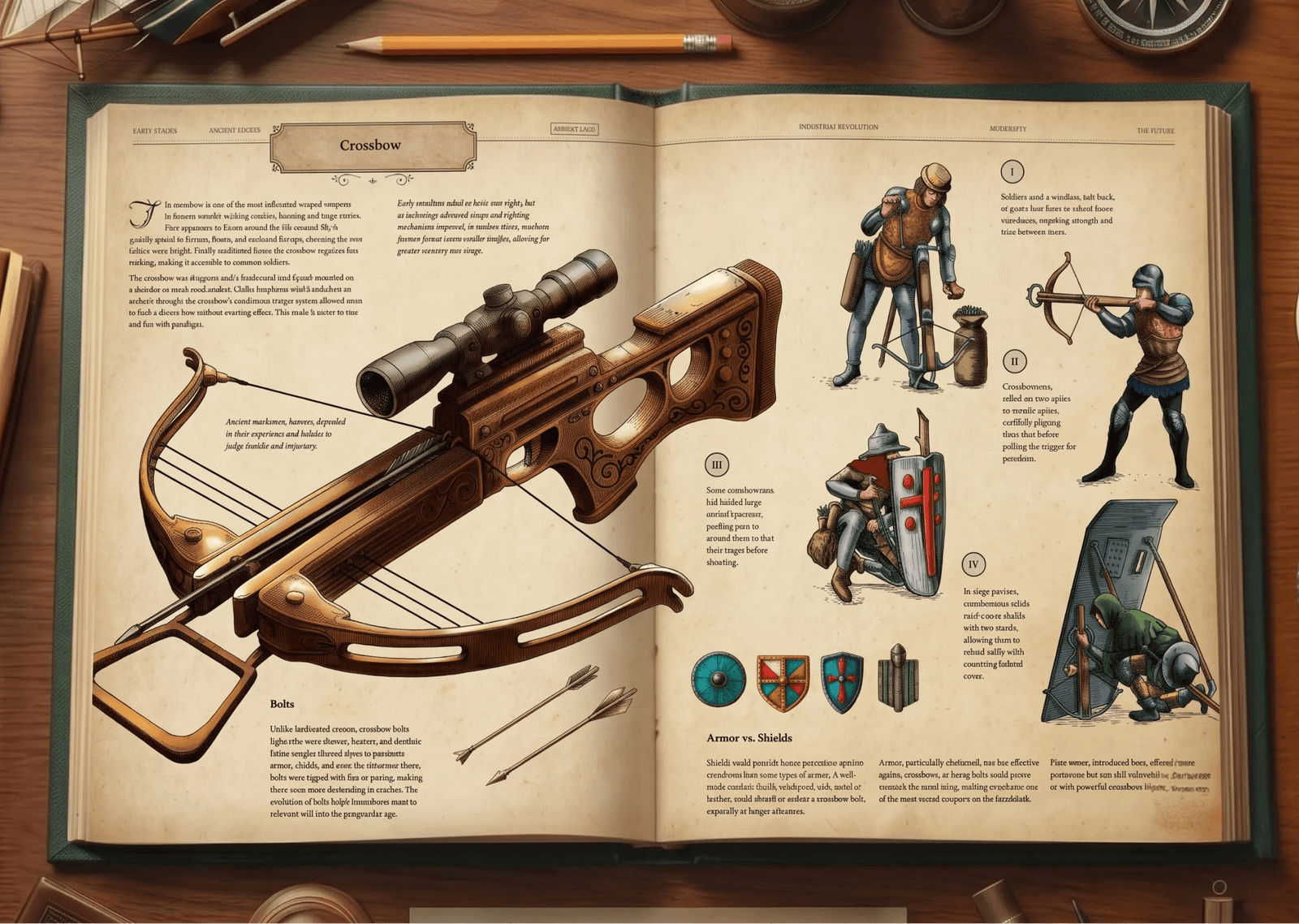
For roughly five hundred years, the armored knight had sat at the top of Europe's military and social hierarchy, and that position was earned through an investment nobody else could match. A knight began training as a boy. He needed a warhorse worth more than most peasants would earn in a lifetime, custom plate armor, and years mastering the lance and sword. His status mirrored the years and wealth behind it.
One invention broke that equation in a single afternoon of training.
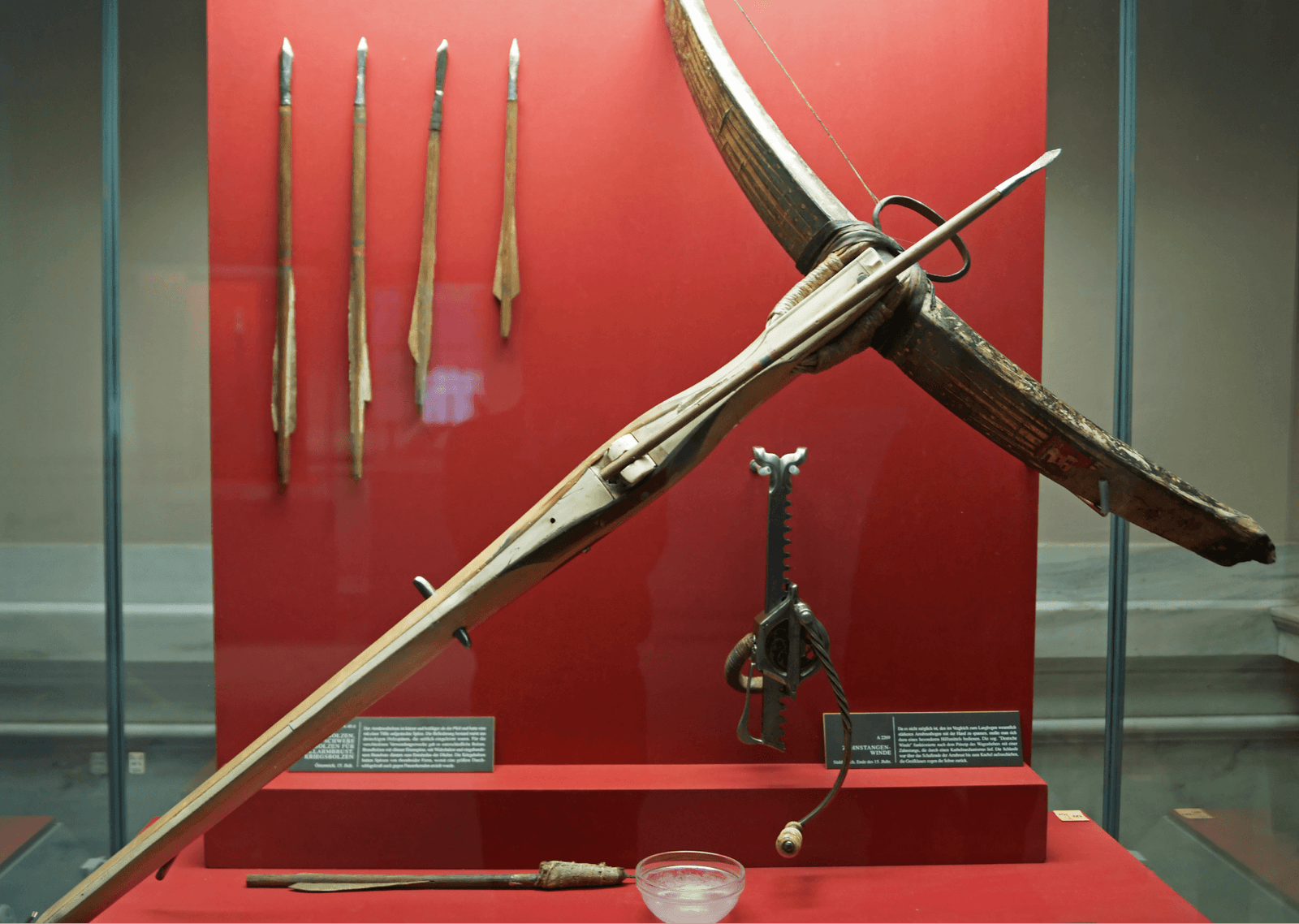
A conscripted farmer, a town militiaman, a mercenary with no noble blood at all — hand him a crossbow, show him how to crank the mechanism and aim down the stock, and within two weeks he could put a bolt through plate armor that took a blacksmith months to forge. The mechanism didn't care how many generations of horsemanship stood behind the man who fired it. It went through the breastplate either way.
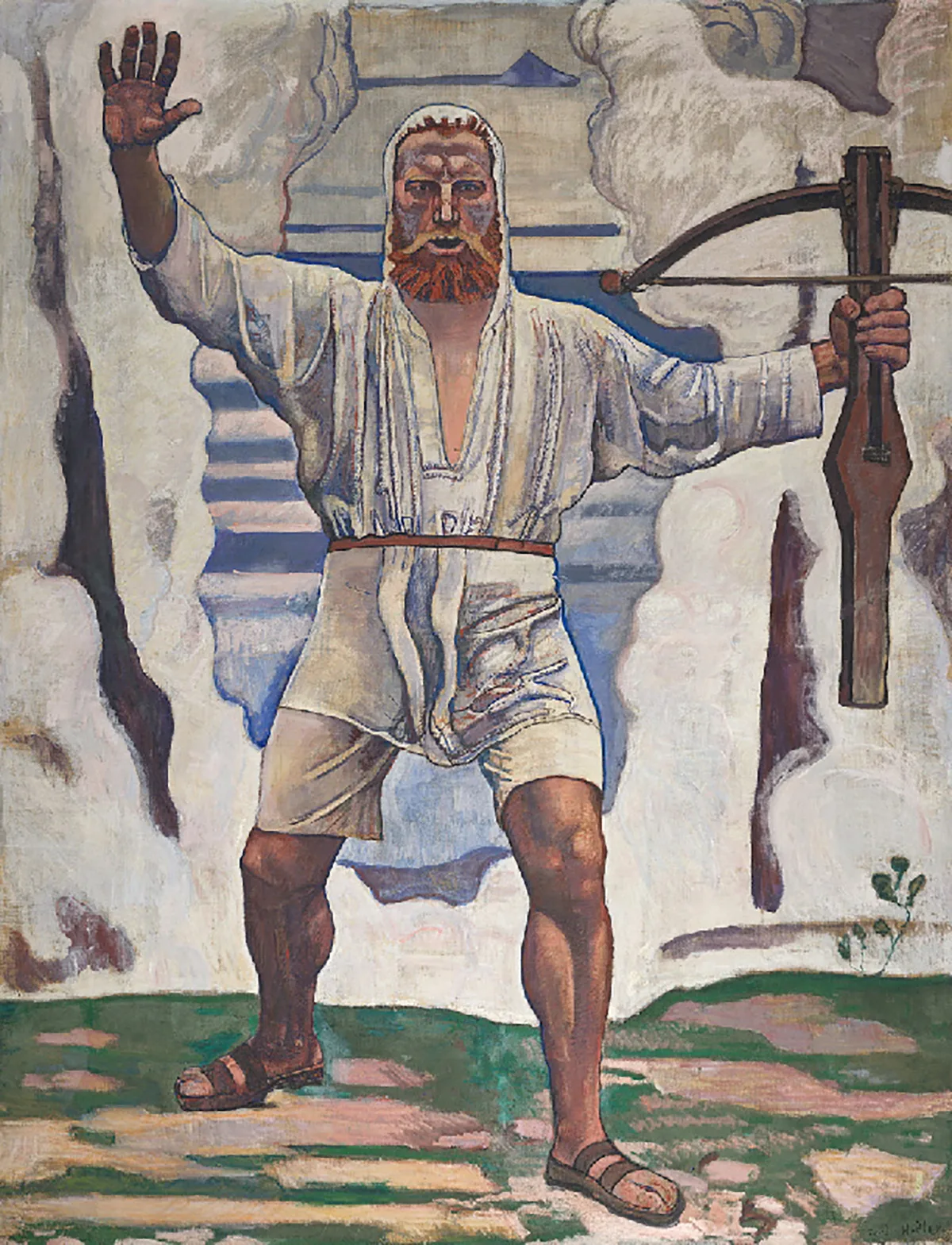
That's what made this invention politically dangerous, not just physically. A social order built on the idea that martial excellence required noble birth and a lifetime of preparation was being undercut by a piece of engineering that took a fortnight to learn. The Church's 1139 decree tried to contain that shift by restricting the weapon's use to wars against non-Christians — it remained acceptable on crusade. Used against fellow Christians in Europe's own wars, it was condemned. The ban didn't hold.
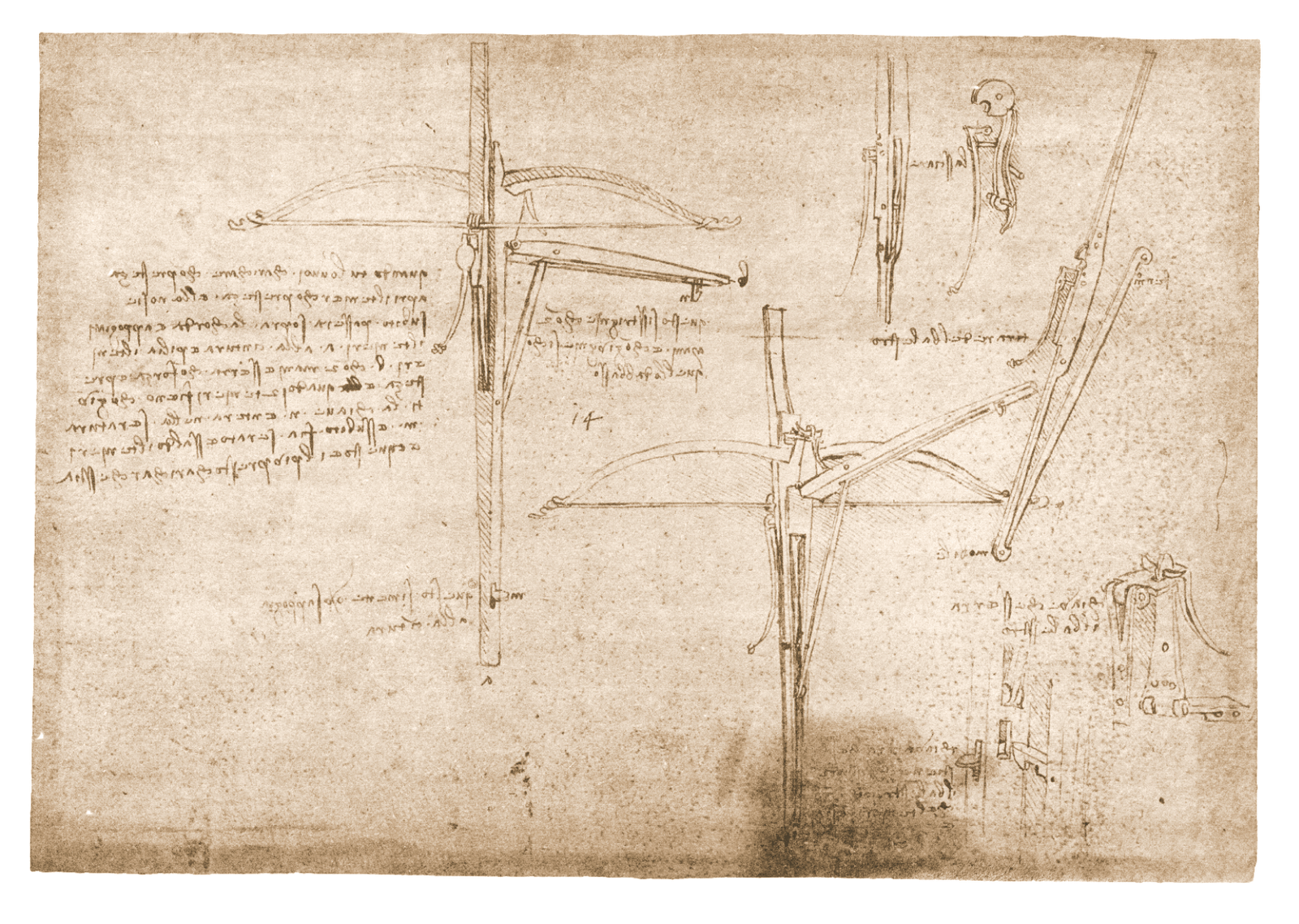
How One Piece of Engineering Ended the Age of Knights
This invention didn't finish the knight off by itself — plate armor kept evolving to resist it, and it would take longbows at Crécy and Agincourt, then gunpowder a century later, to fully close the chapter. But it opened the door. It was the first mechanism that let ordinary infantry reliably defeat the most expensive, most heavily trained soldier on the battlefield, without needing to match his years of preparation.
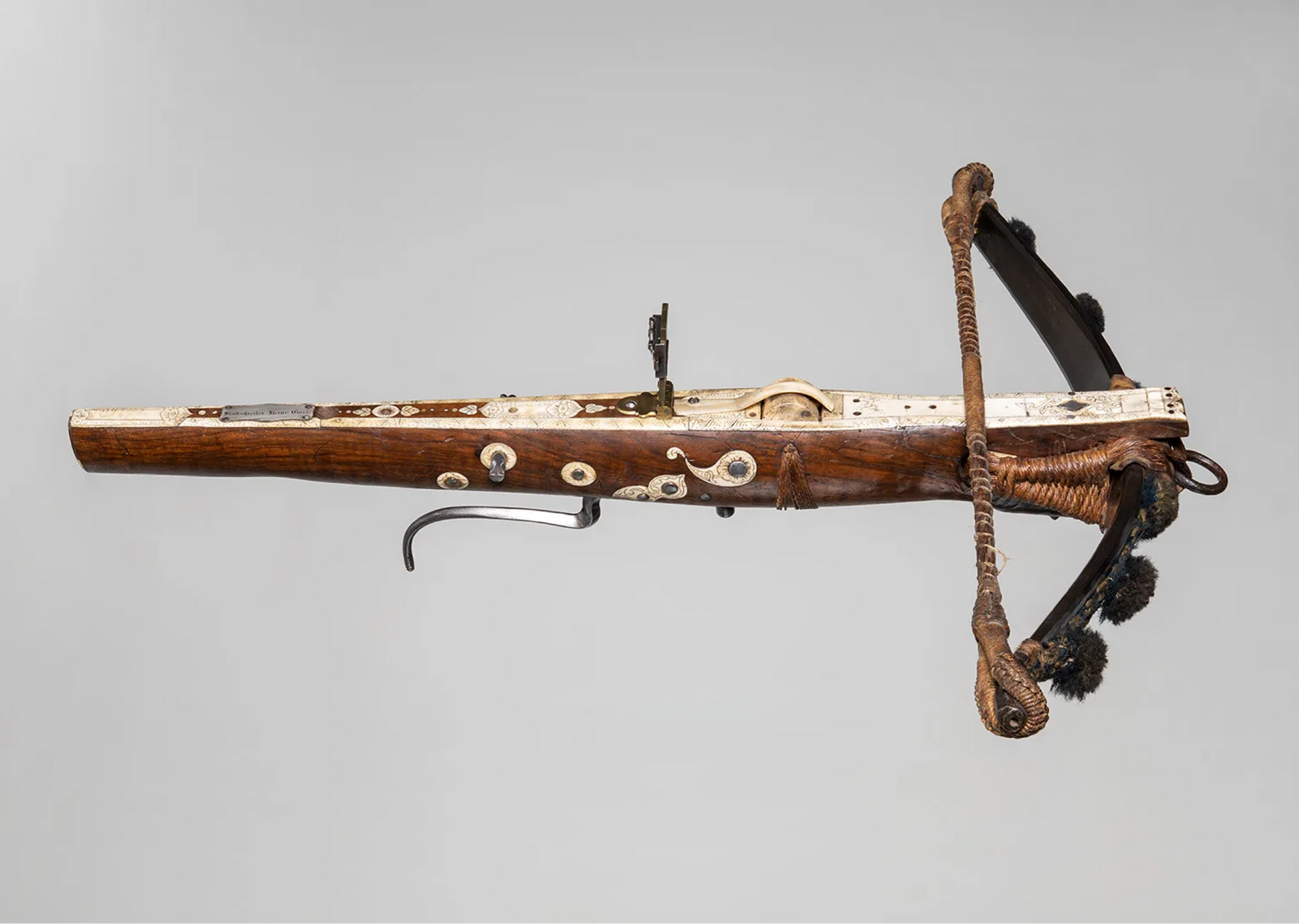
Once that door was open, it never closed again. Every invention that followed — the longbow's refinements, the arquebus, the musket — pushed further in the same direction: putting lethal, decisive force into the hands of whoever could be trained fastest and equipped cheapest, rather than whoever had been born into the right family. This is where that story starts.
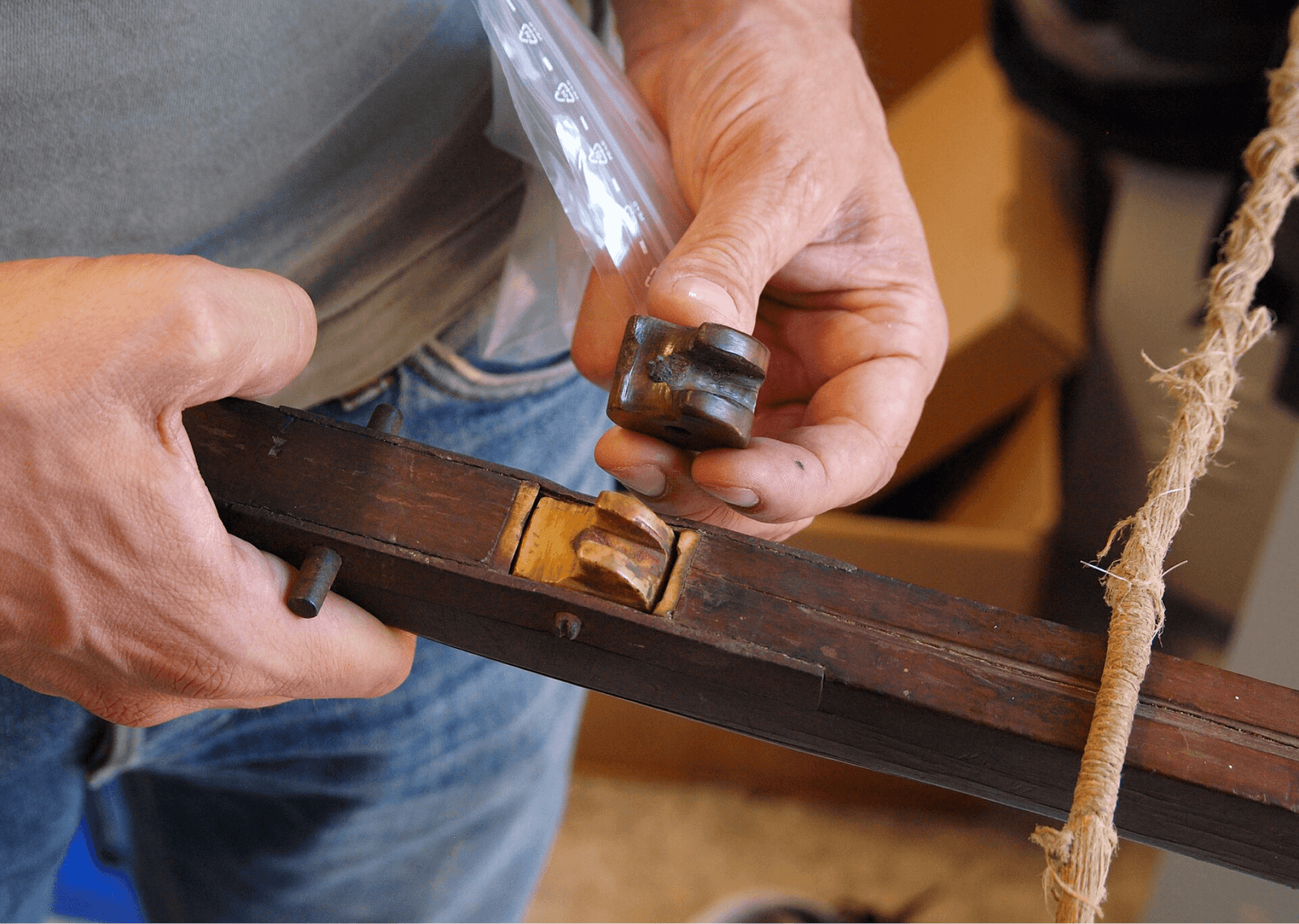
Stories like this one — an invention, the politics it disrupted, the century of resistance from the people it threatened — are exactly what The Codex: Inventions of the Human Mind was built to preserve. It's the kind of detail that gets lost in a textbook timeline but explains, in a single object, why an entire social order came apart.
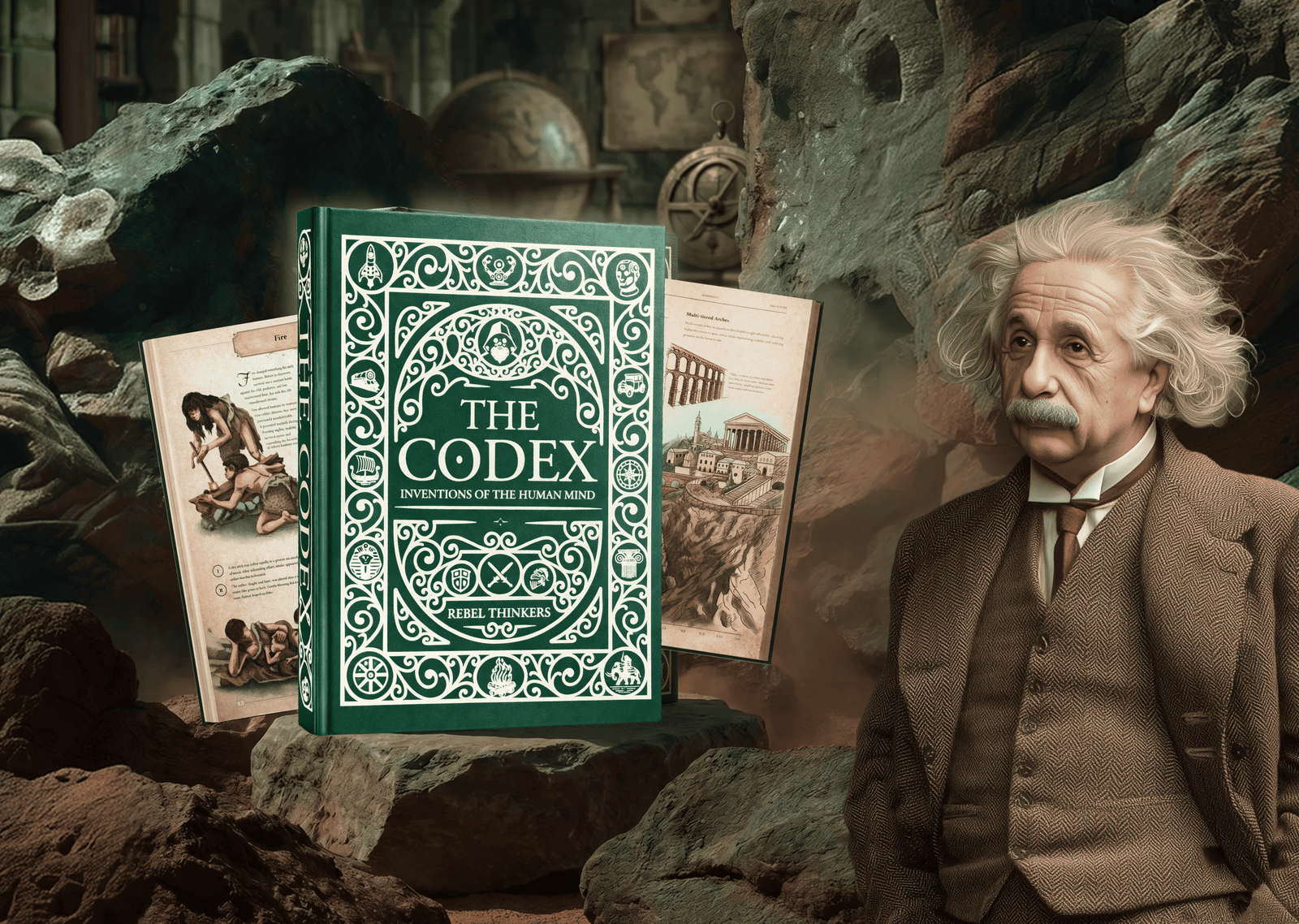
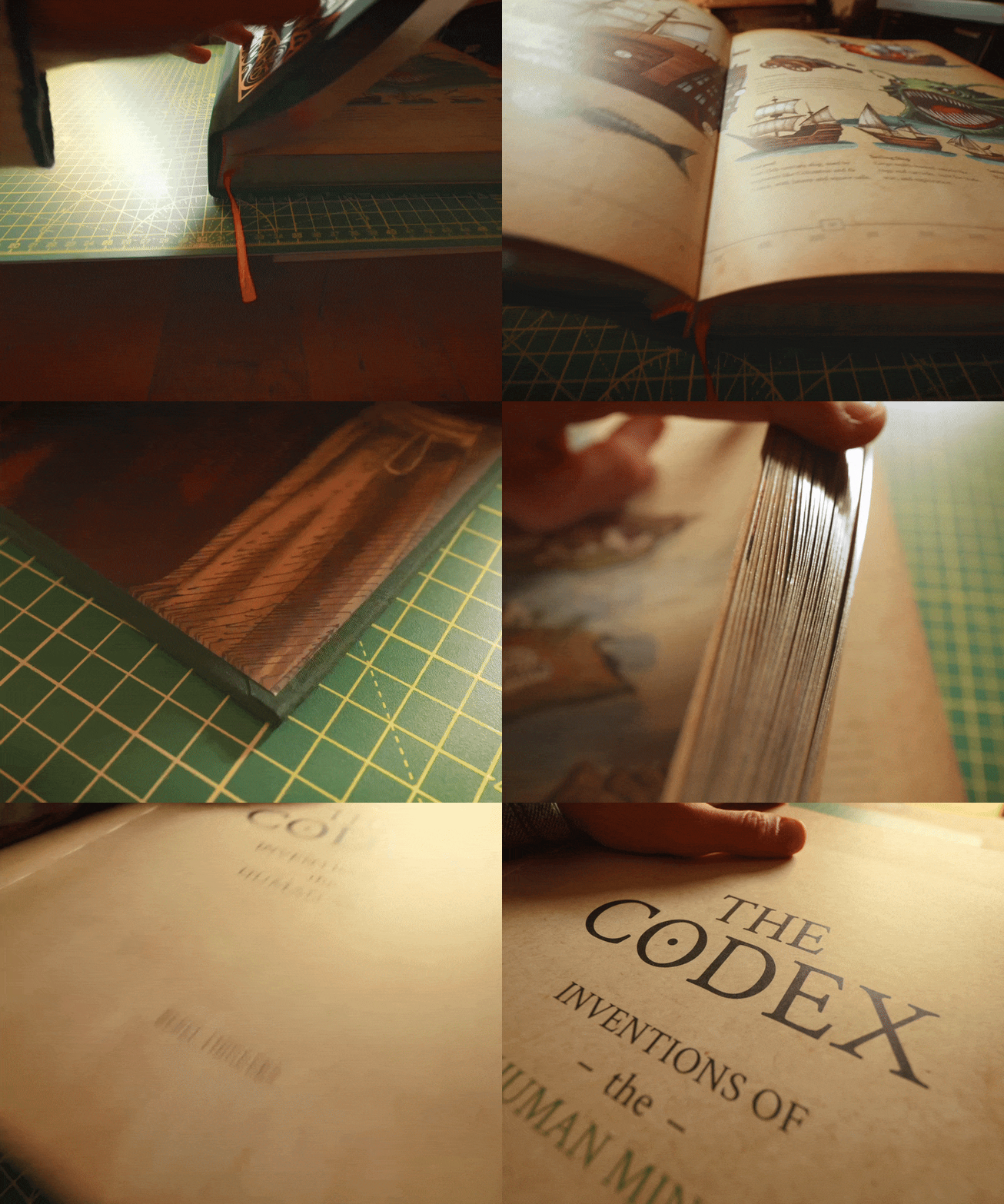
The Codex: Inventions of the Human Mind covers shifts like this one in full — how a single piece of engineering could reshape who held power, on the battlefield and off it, across six eras from Early Stages through The Future. 328–350 pages, 900+ hand-drawn illustrations in a Da Vinci-notebook style, foil-stamped hardcover, 160gsm archival paper, silver-gilded page edges, and a protective slipcase. Nothing generated, nothing stock — every plate is drawn by hand.
This isn't just a book. It's an encyclopedia that commands respect... anti-Temu purchase of the year... makes people put down their phones.
Chris H., USA
What's Actually Inside
The crossbow is one entry among 150+ inventions across six eras — Early Stages, the Ancient Period, the Middle Ages this invention belongs to, the Industrial Revolution, Modernity, and The Future. Every entry is illustrated the same way: hand-drawn, dense with mechanical and historical detail, built for someone who wants to actually understand how something worked, not just when it happened.
Alongside entries on figures like Archimedes, Leonardo da Vinci, and Nikola Tesla, the book treats overlooked mechanical breakthroughs — like the crossbow — with the same care, because the real story of invention isn't only about famous names. It's about the objects that quietly rewired how power worked.



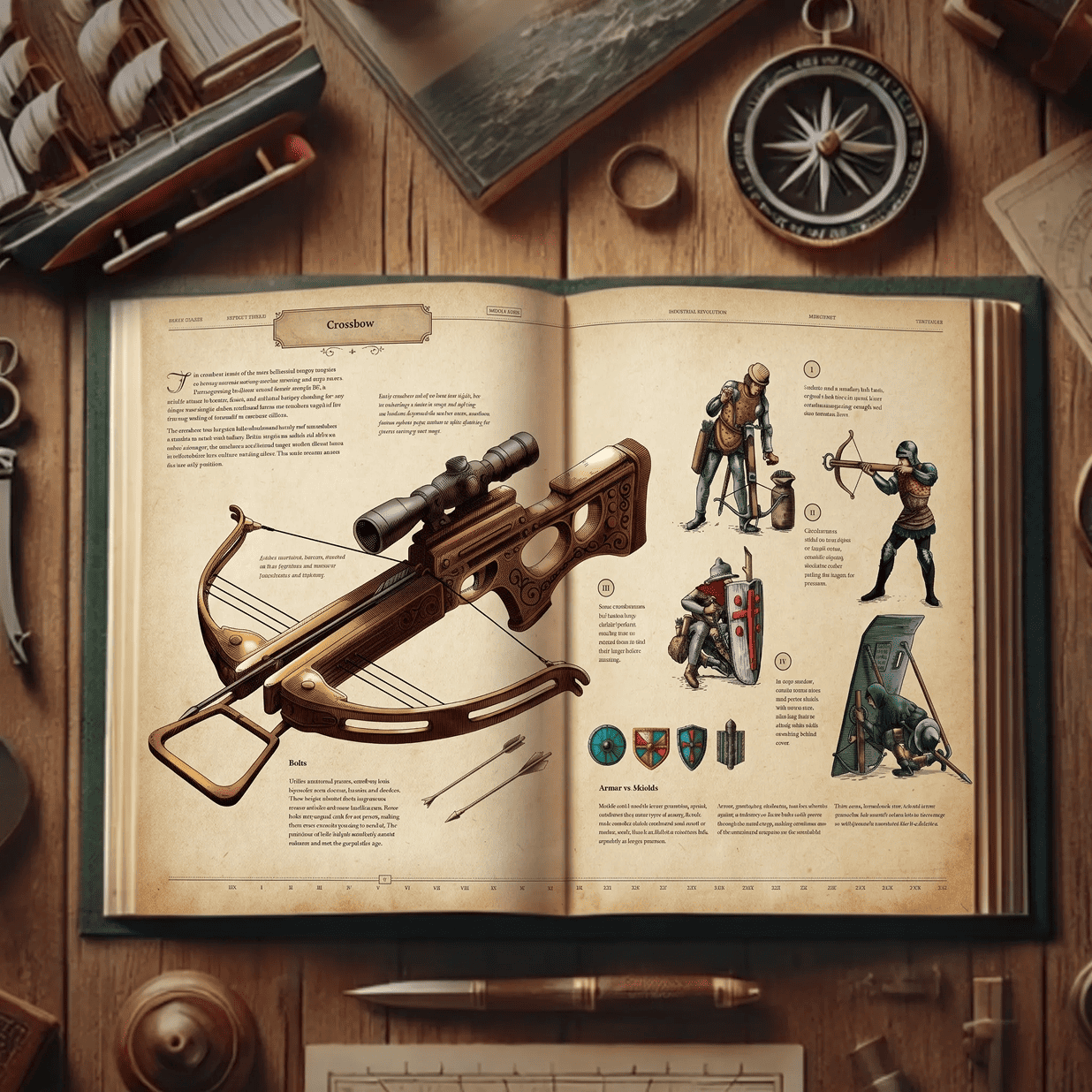
Hand-illustrated in Ukraine, during the war
This is not a book assembled in a factory or outsourced to a design agency. It was created by 12 Ukrainian artists — working through the russian invasion of their country. Some illustrated their sections during power cuts. Some continued from temporary shelters. One worked by candlelight during a six-hour blackout.
The project was led by Vlad Khvyshchuk and the Rebel Thinkers team, who launched a Kickstarter with a $5,000 goal. They raised $508,241 from 5,327 backers in 44 days. The book sold out twice.
Every copy sold supports the studio directly. When you hold The Codex, you are holding the work of people who chose to make something beautiful and permanent. That is the kind of story that deserves to sit on a shelf in your home.

- 328–350 pages covering 150+ inventions across six eras
- 900+ hand-drawn illustrations — no stock art, no AI-generated final plates
- Foil-stamped hardcover with silver-gilded page edges and a protective slipcase
- Larger than A4 — built to sit open on a table, not tucked on a shelf
- Free standard shipping to eligible destinations; see our returns policy
What Readers Say
I would have rated it 6 out of 5.

One of the few books I would like my grandchildren to inherit as an ageless classic.

Why It's Worth Owning

Built for someone who wants the mechanism and the politics behind it, not a Wikipedia-length caption.

No stock photography, no AI-generated final art — 12 illustrators, 900+ original plates.

Foil-stamped hardcover, archival paper, and a slipcase made for a shelf, not a landfill.
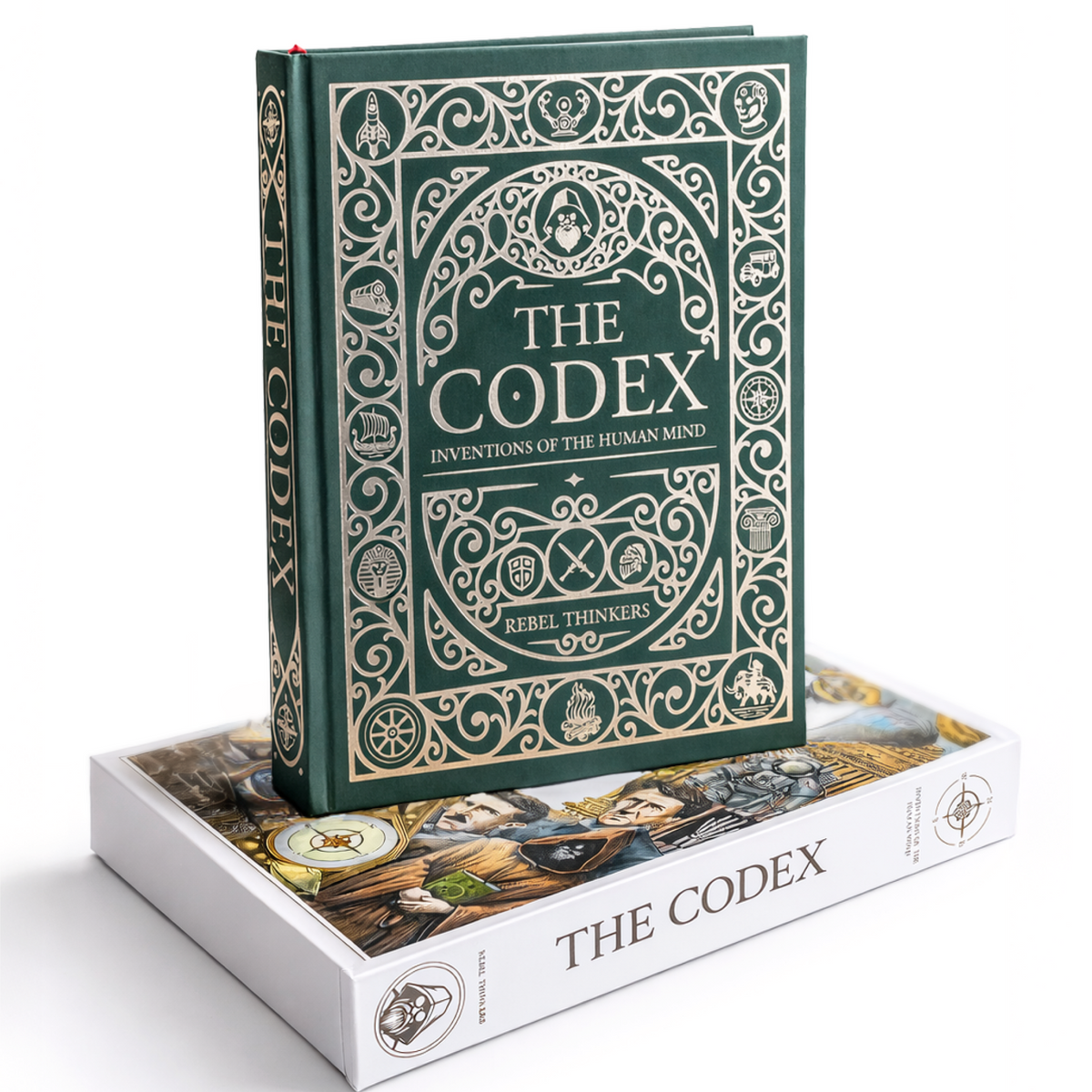
The Codex: Inventions of the Human Mind
350+ pages. 900+ hand-drawn illustrations. 12 Ukrainian artists. The complete illustrated history of the inventions that built the modern world — drawn era by era in a Da Vinci-inspired style.
- Created by 12 Ukrainian Artists
- Da Vinci-inspired illustrated encyclopedia — 350+ pages
- 160gsm archival paper, foil-stamped hardcover, silver-edged pages
- Arrives in premium slipcase
Frequently asked questions
Is this really a book about inventions, if it covers a weapon?
Yes — the crossbow is treated here as a piece of mechanical engineering that disrupted medieval society, the same way the book treats the printing press or the steam engine. The Codex covers 150+ inventions, not only benign ones, because invention has always shaped power as much as convenience.
Is it too dense for someone who isn't already a history buff?
It's written to be read in short entries, not cover to cover in one sitting — each invention is its own illustrated spread, so it works as a browse-and-dip book as easily as a start-to-finish read. That said, if you're looking for a quick, casual coffee-table skim rather than genuine detail, it may be more book than you want.
What eras does it actually cover?
Six: Early Stages, the Ancient Period, the Middle Ages, the Industrial Revolution, Modernity, and The Future — 150+ inventions and the people behind them, including Archimedes, Leonardo da Vinci, Newton, Edison, Tesla, and Marie Curie.
What's the shipping and return policy?
Free standard shipping to eligible destinations. See our returns policy for eligibility and terms.