I want to admit something that felt uncomfortable to say out loud.
Last autumn, I stood in my son’s doorway at around 9 p.m. and watched him on his tablet, moving from one YouTube video to the next with that distant, half-absorbed look children get when they have been on a screen too long.
And I had one very clear thought:
I do not know how to bring him back to the things he used to love.
Not just away from the screen. Back toward the part of him that used to build things, draw things, and ask endless questions about how the world worked. He was still the same child. But next to the speed of a screen, everything else had started to feel slow.

I had already tried the obvious alternatives. Books held him for a chapter or two. LEGO, puzzle kits, art supplies, all of it worked briefly, then lost its pull. Nothing stayed strong enough to compete for his attention once the novelty wore off.
That was the part nobody really prepared me for. Taking the screen away was one thing. Replacing it with something that felt just as magnetic, without becoming another fight, was something else entirely.
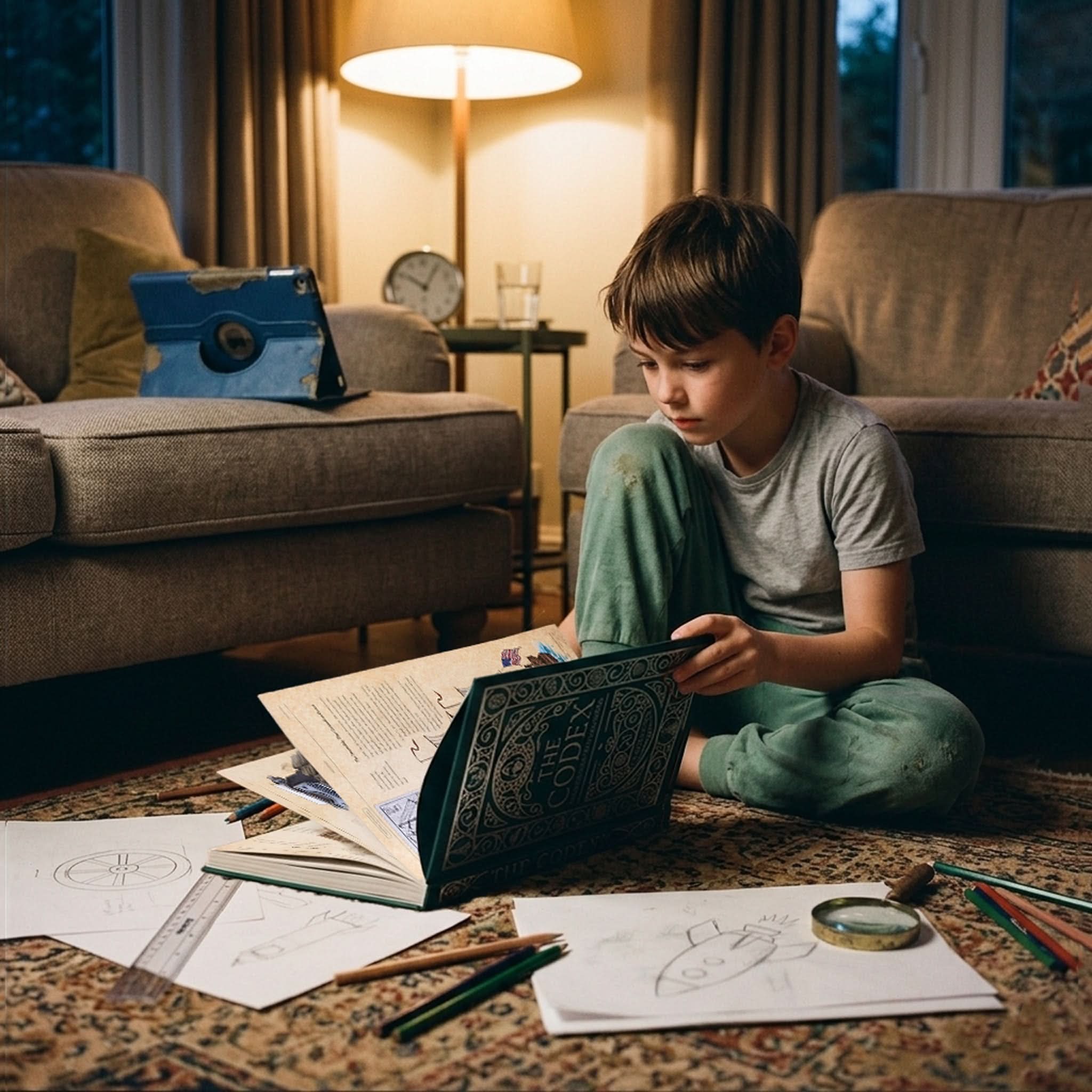
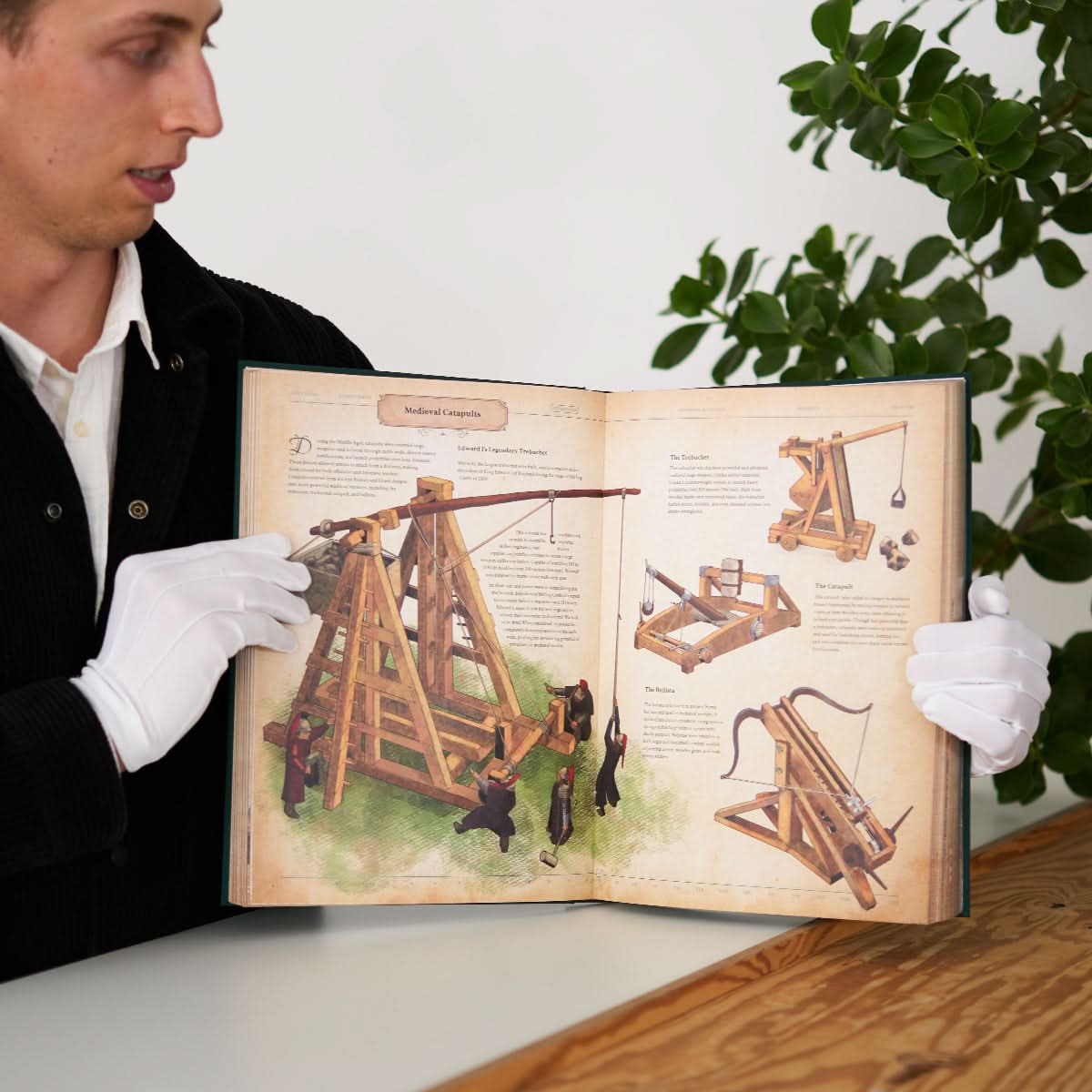
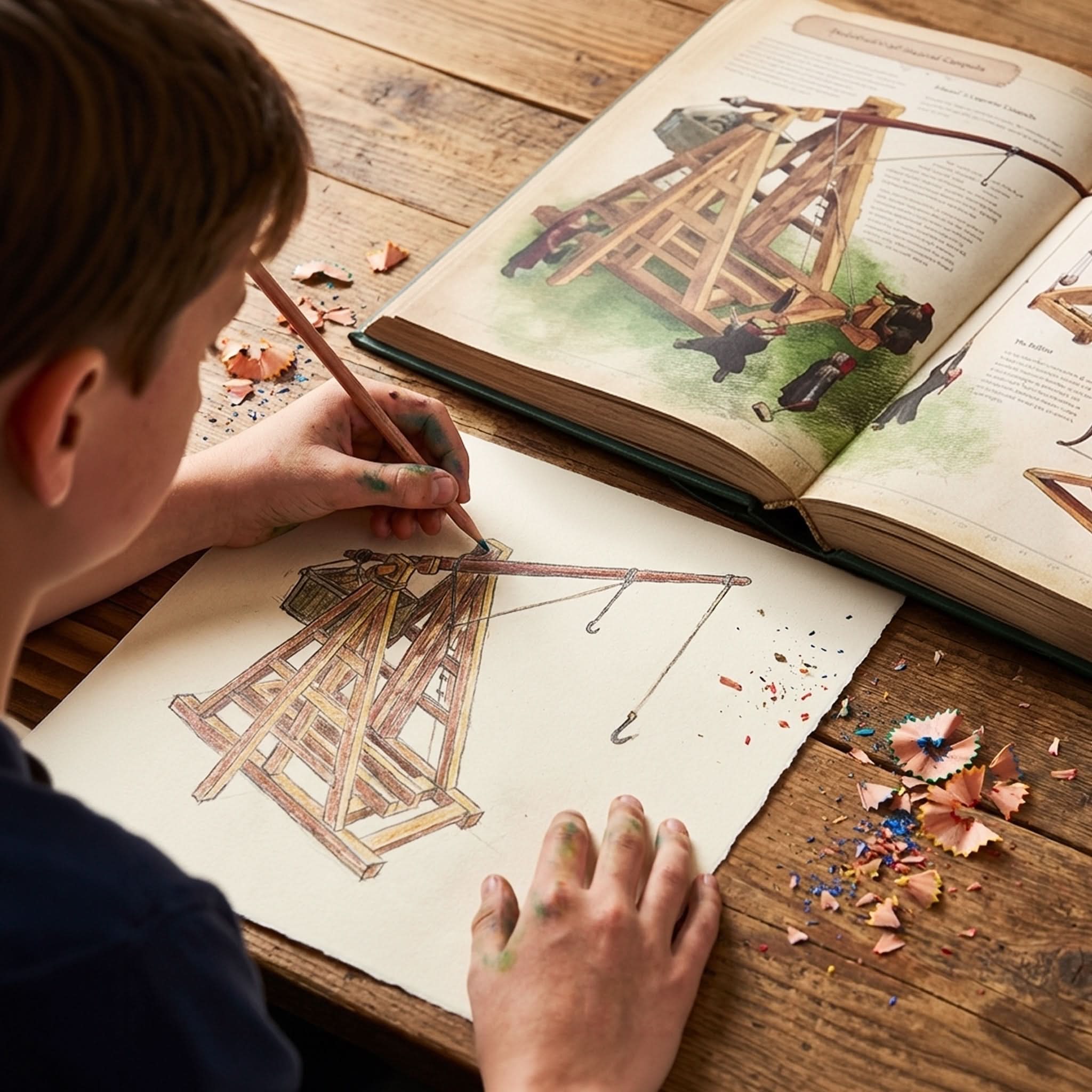
Then one evening, in a parenting Facebook group, I saw a post from another mother. She had shared a photo of her living room floor covered in sketches, scattered pencils, and open pages from a large illustrated book. She wrote that her children had spent hours copying drawings from The Codex: Inventions of the Human Mind.

The comments below were full of parents trying to understand what they were looking at. Not another glossy picture book. Not a workbook. Not a toy. Something stranger and more compelling. Something children seemed to open out of curiosity and then stay with far longer than expected.
I ordered it that same week.
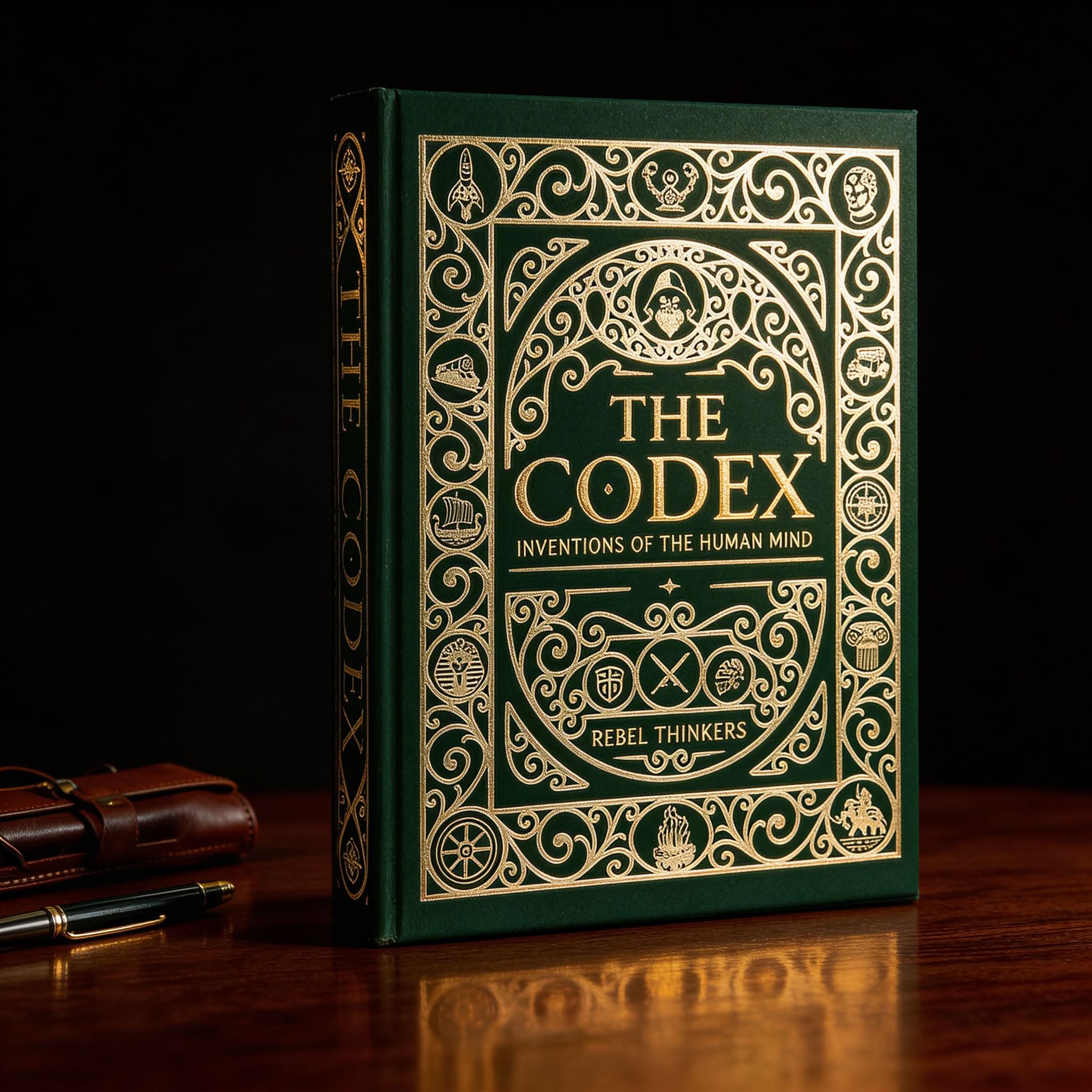
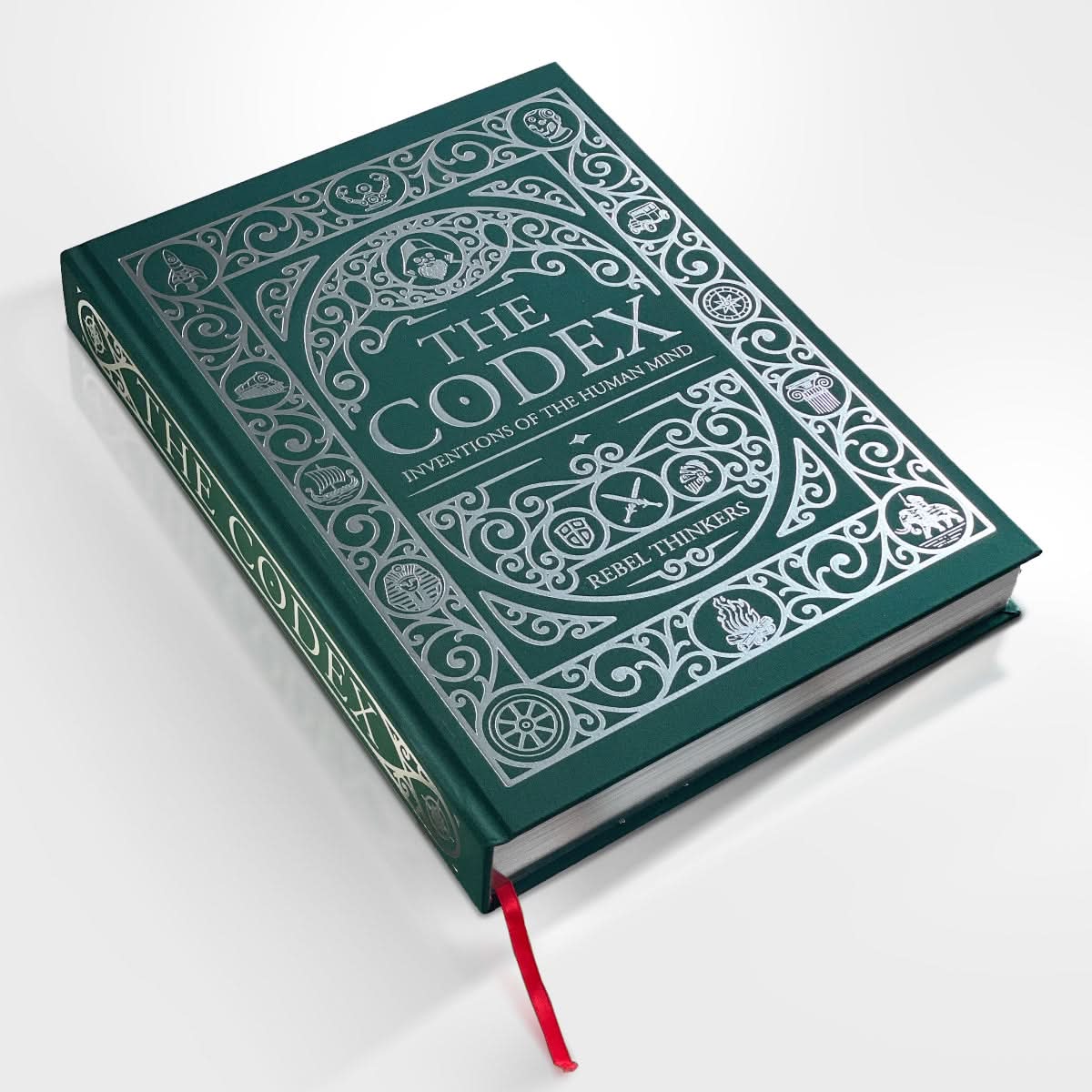
When it arrived, it did not look like anything we already had at home. It felt substantial, beautifully made, and serious in the best possible way. The kind of book a child notices immediately because it feels important before they have even turned the first page.

I expected some interest...
What I did not expect was silence.
Not the bored kind. Not the restless kind. The kind of silence that only happens when a child is genuinely absorbed in something. He pulled the book closer, turned one page, then another, then another. Within minutes he was pointing at machines, asking questions, and calling me back to look at things he had found. We spent time together. Meaningful time with my boy...
What The Codex actually is
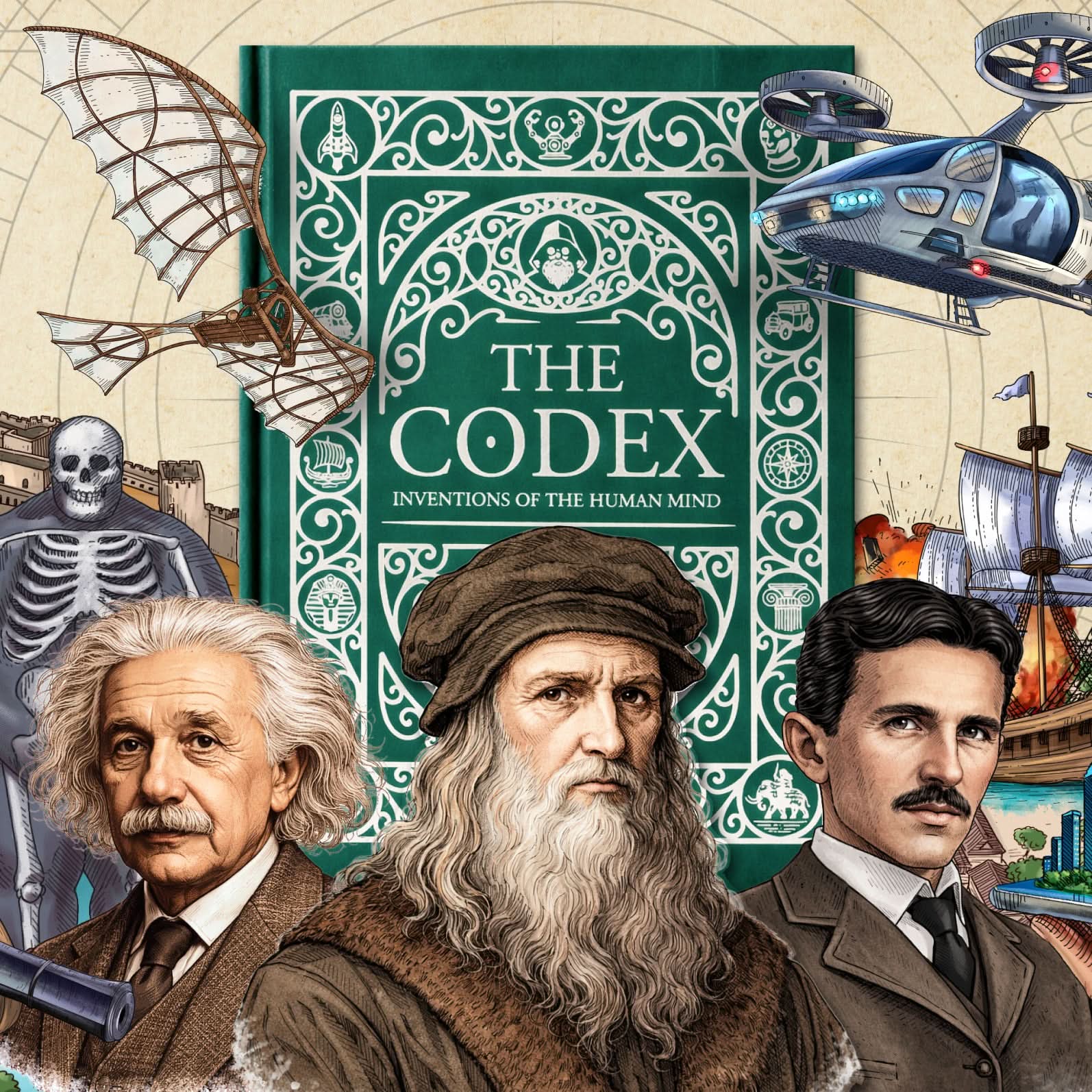
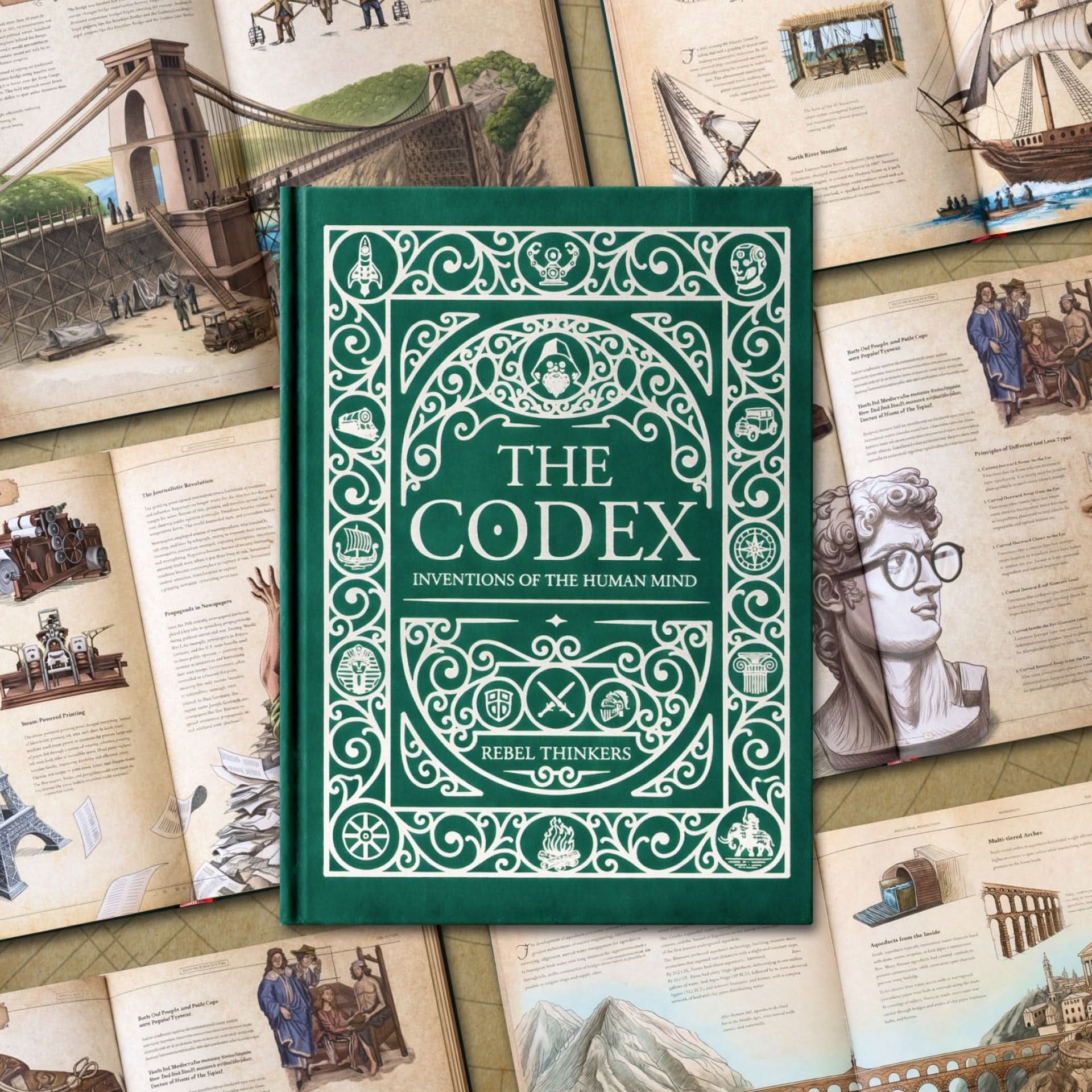
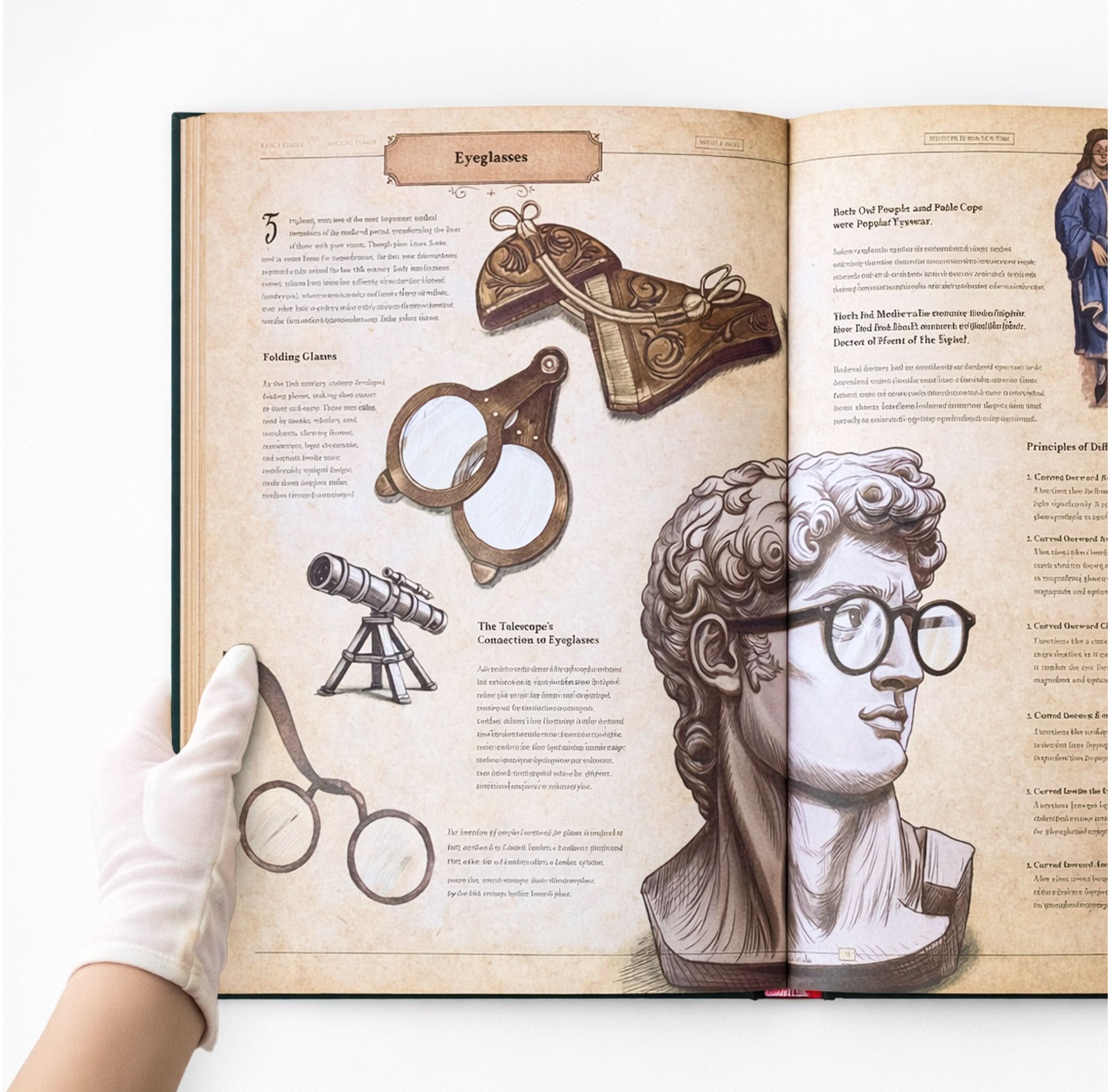
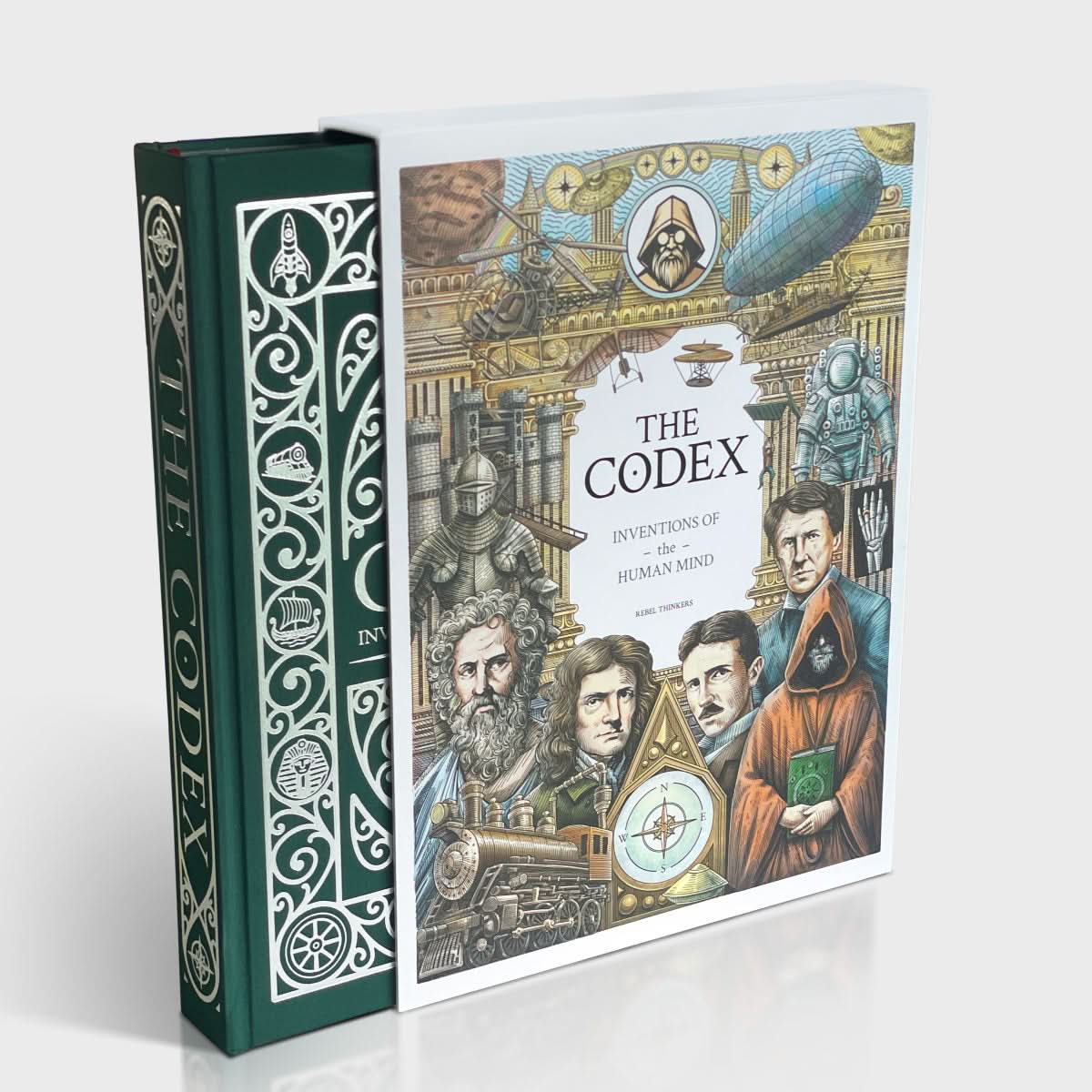
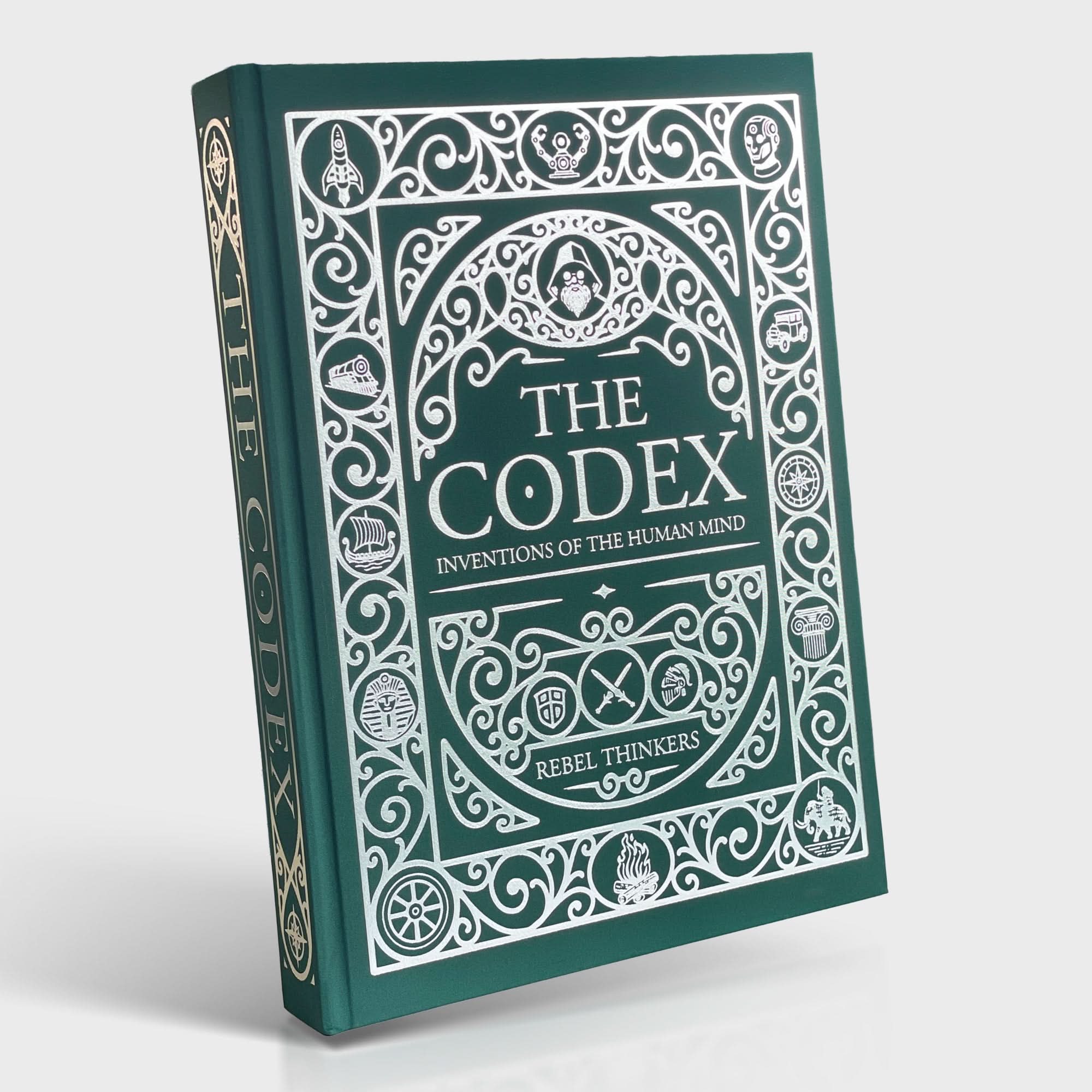
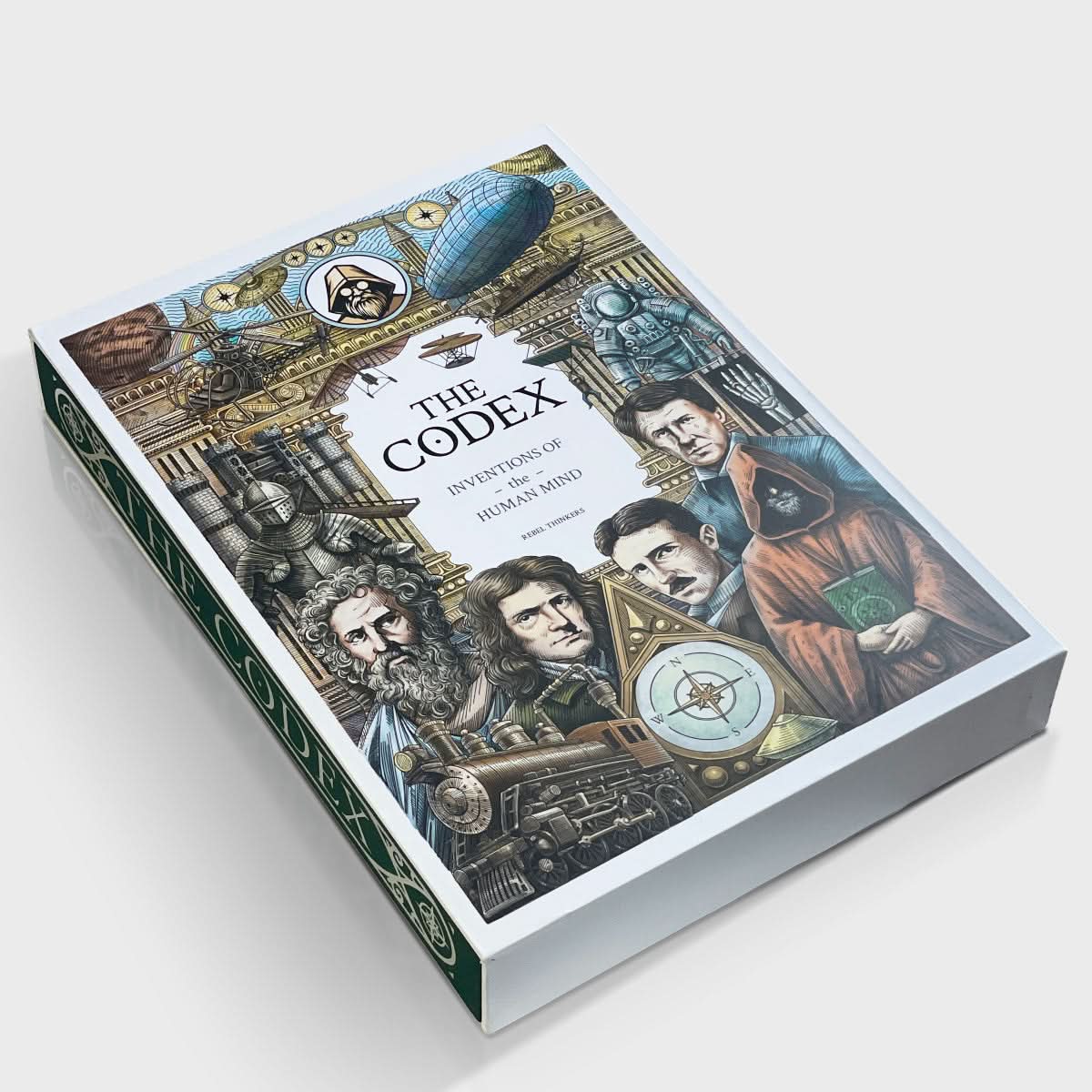
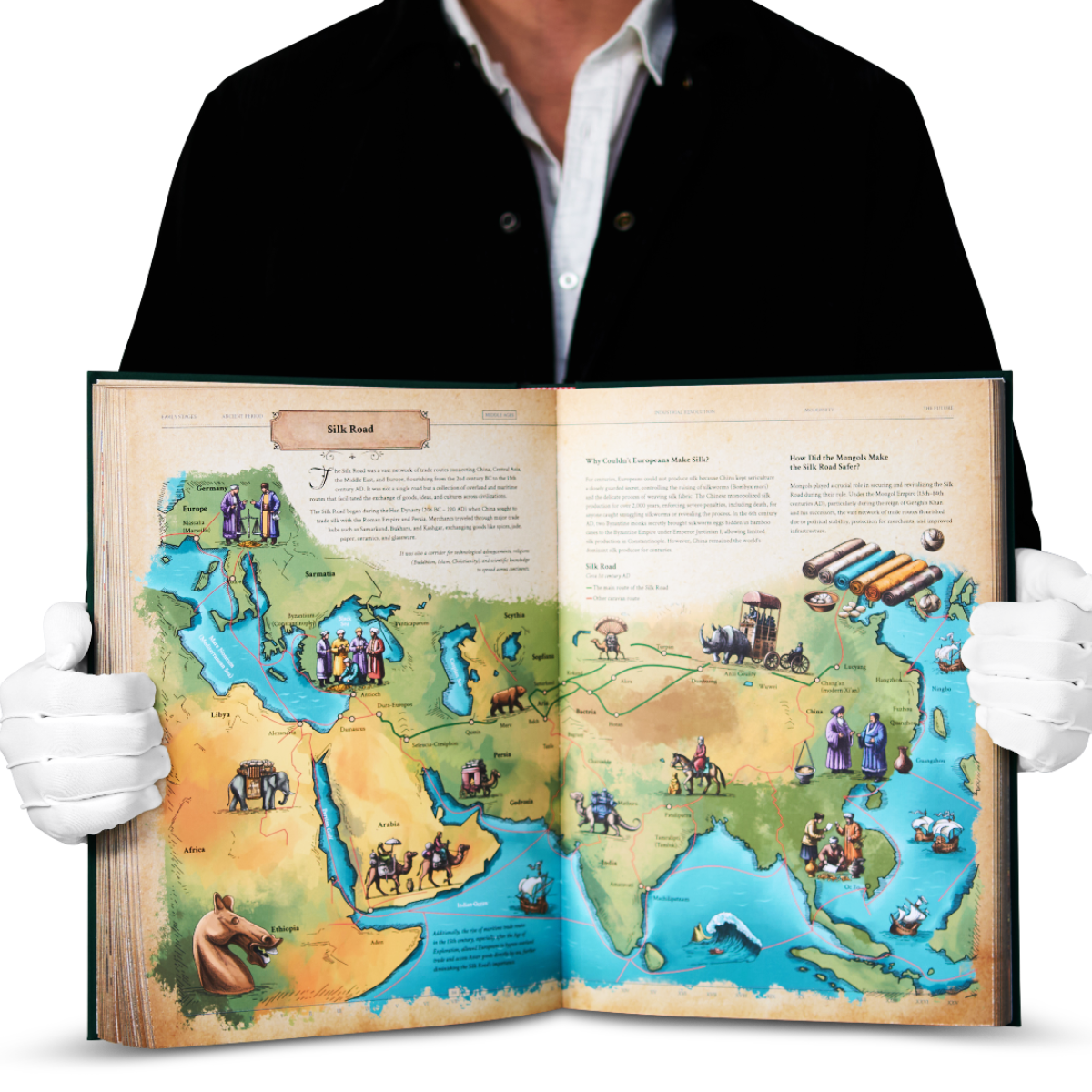
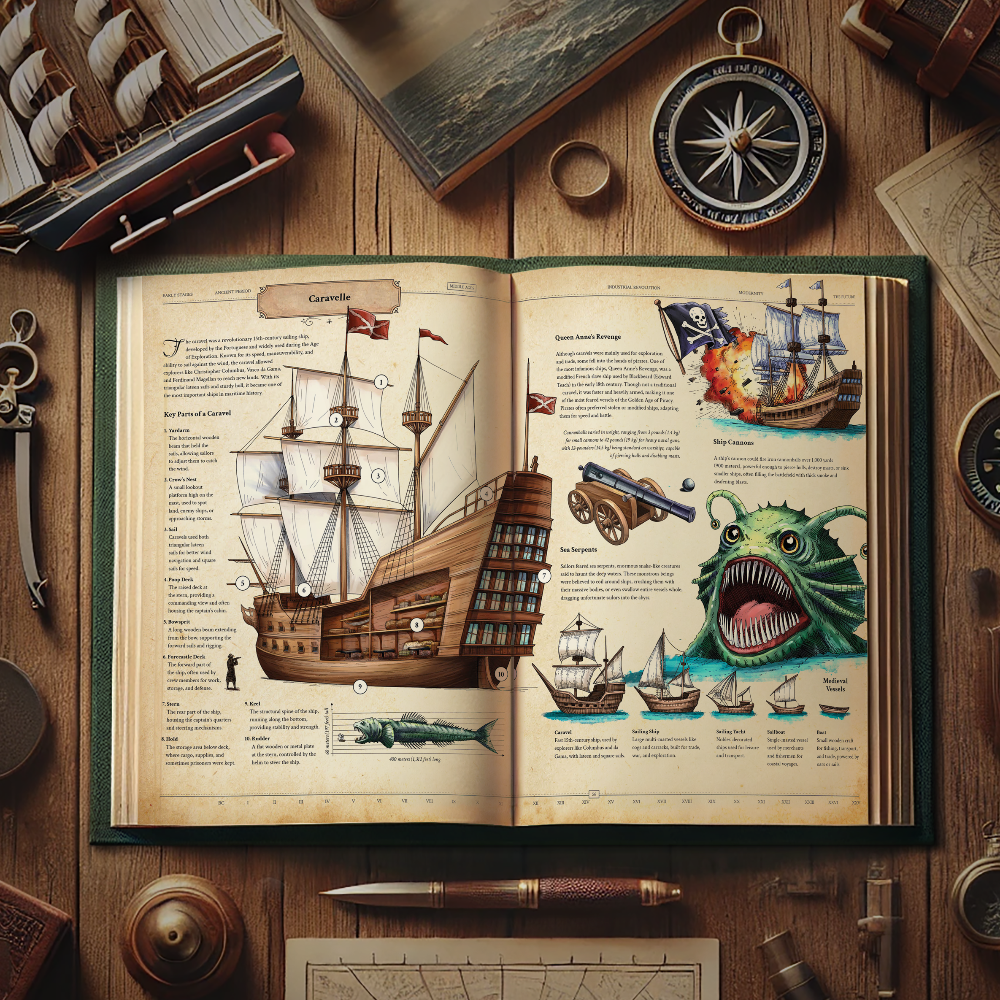
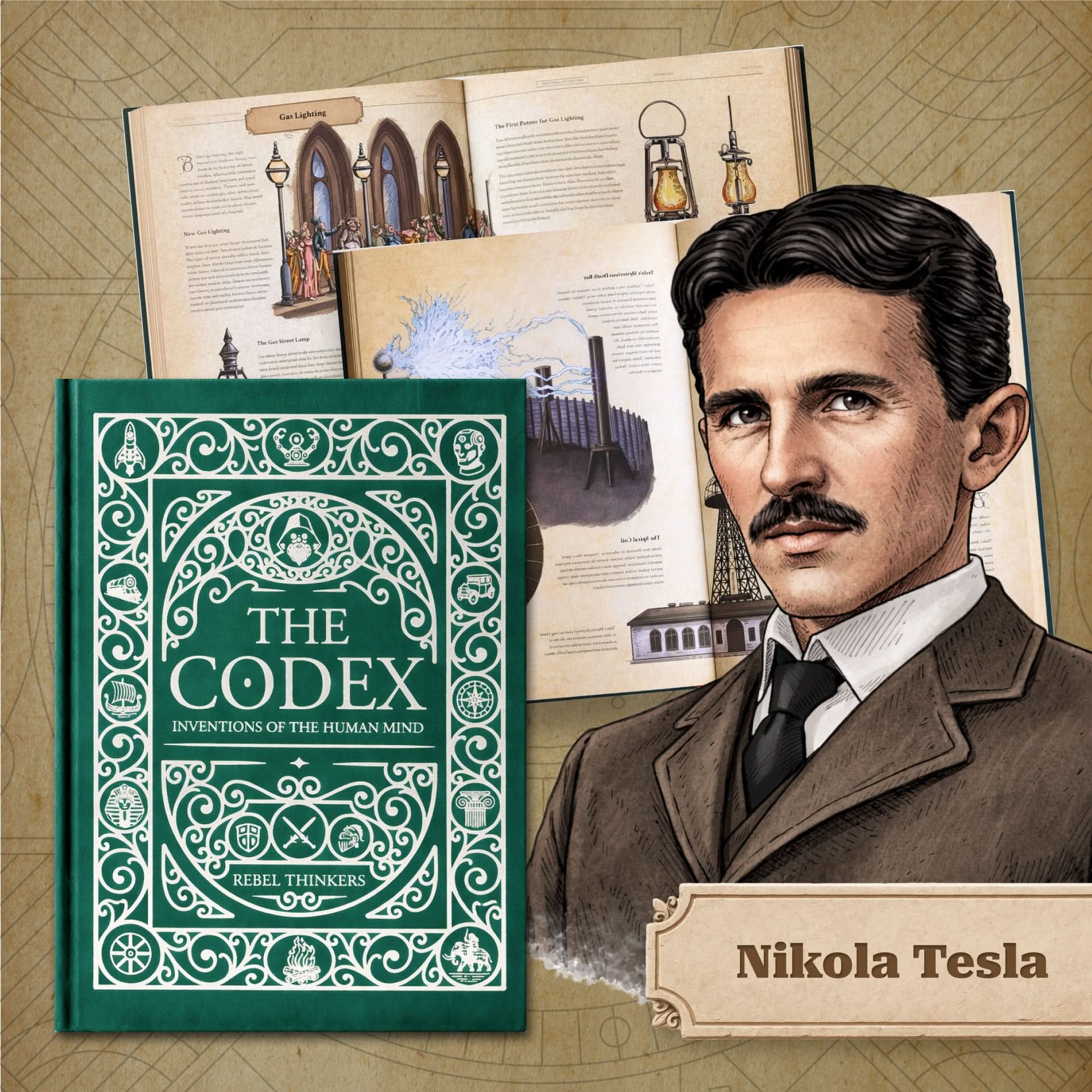
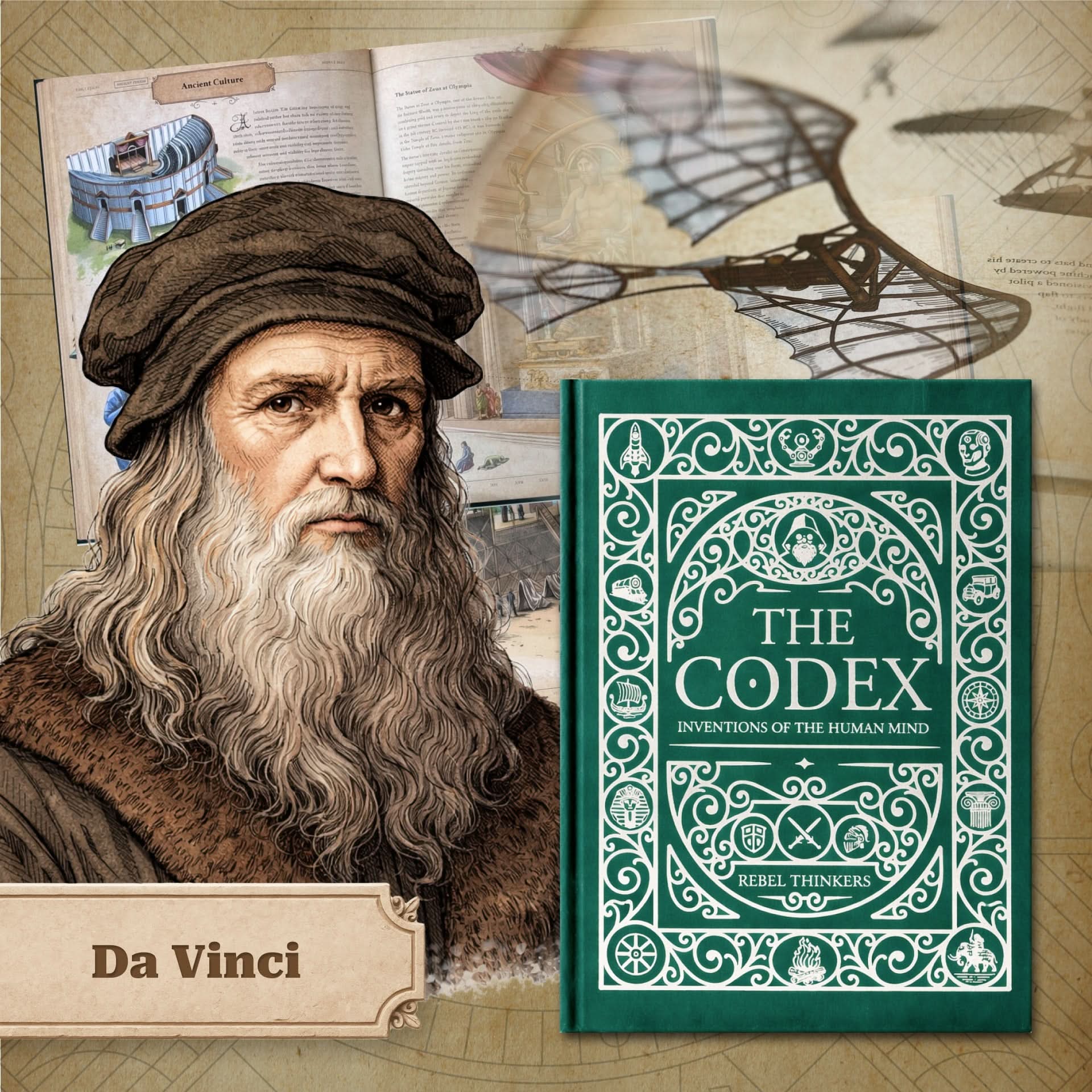
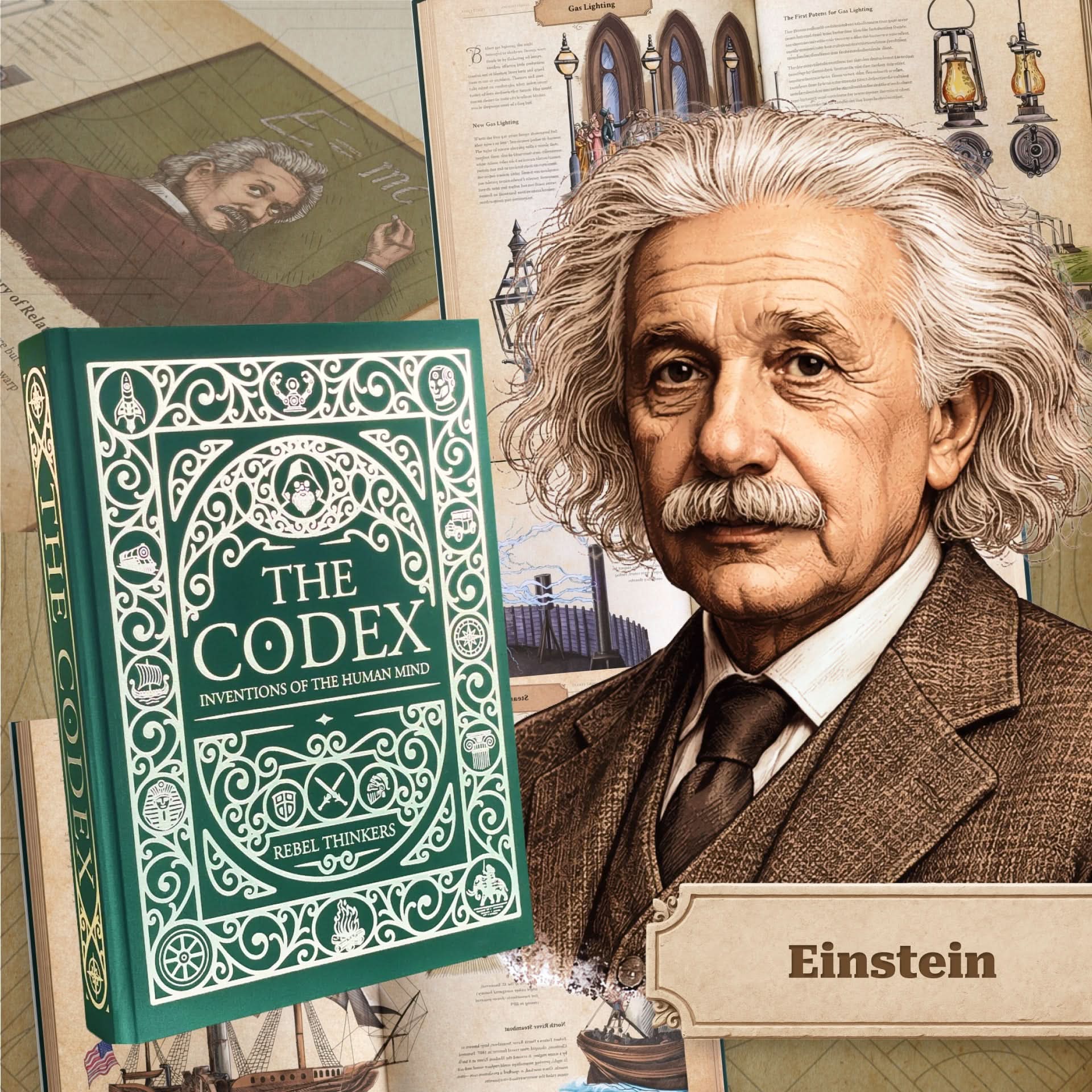
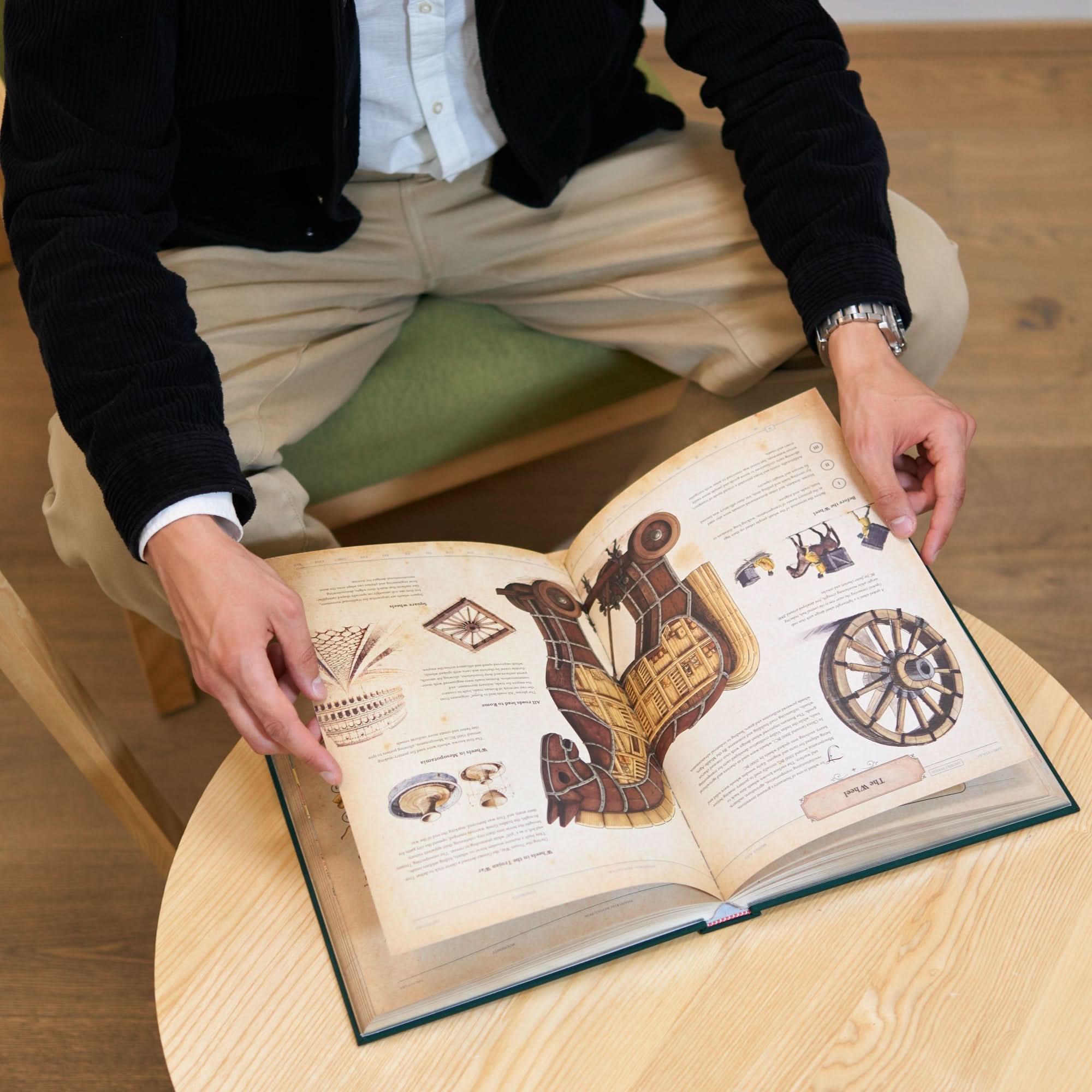
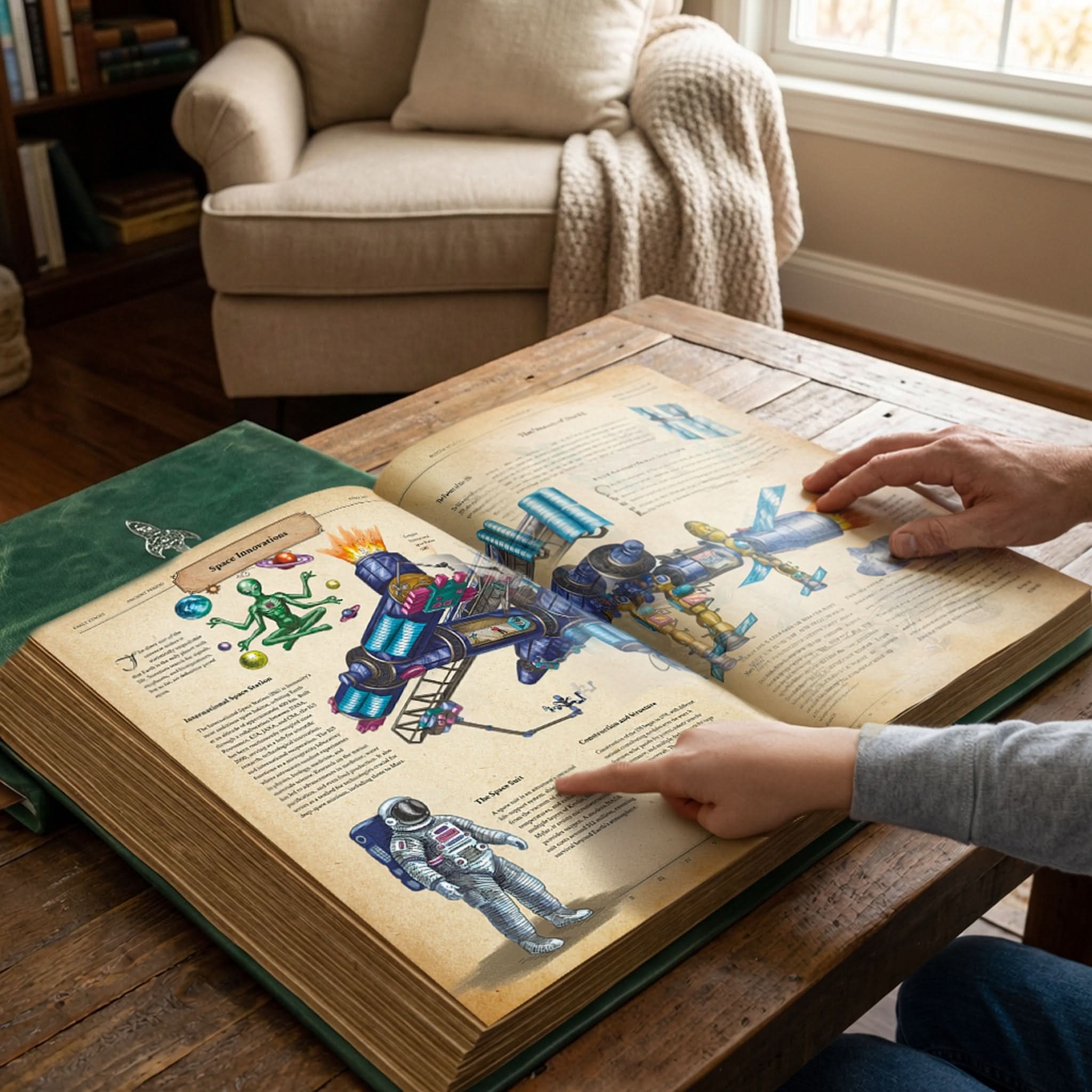
The Codex is a 350-page illustrated encyclopedia of over 150+ of humanity's greatest inventions — from the wheel to the internet — drawn by hand in a medieval style inspired by Leonardo da Vinci's notebooks. Every diagram, every annotation, every illustration was created by Ukrainian artists, many of whom continued working through the russian invasion: power cuts, air raid sirens, and displacement.
It is printed on 160gsm archival paper — the same weight used in museum publications. The cover is foil-stamped hardcover with silver-edged pages and a protective slipcase. It is the kind of object that feels like it contains something important before you've opened it.
But none of that is why children won't put it down.
They won't put it down because it respects their intelligence.
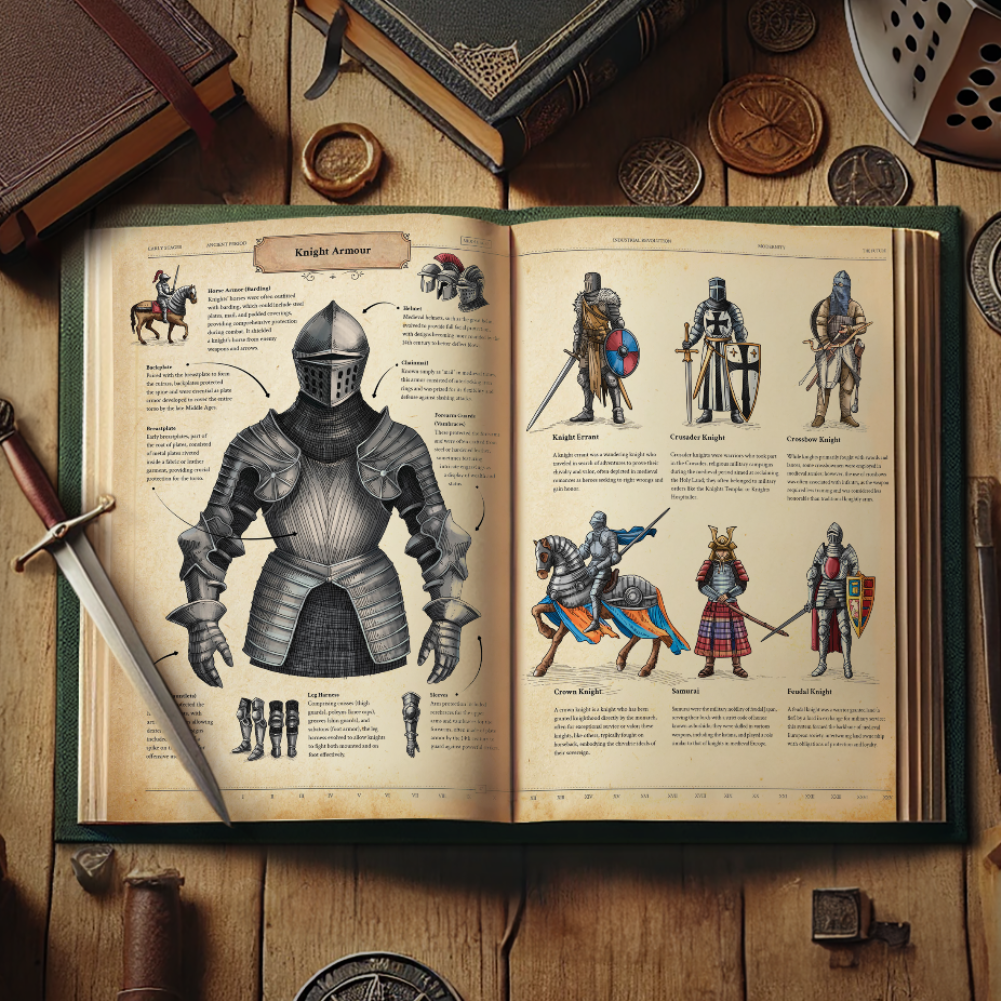
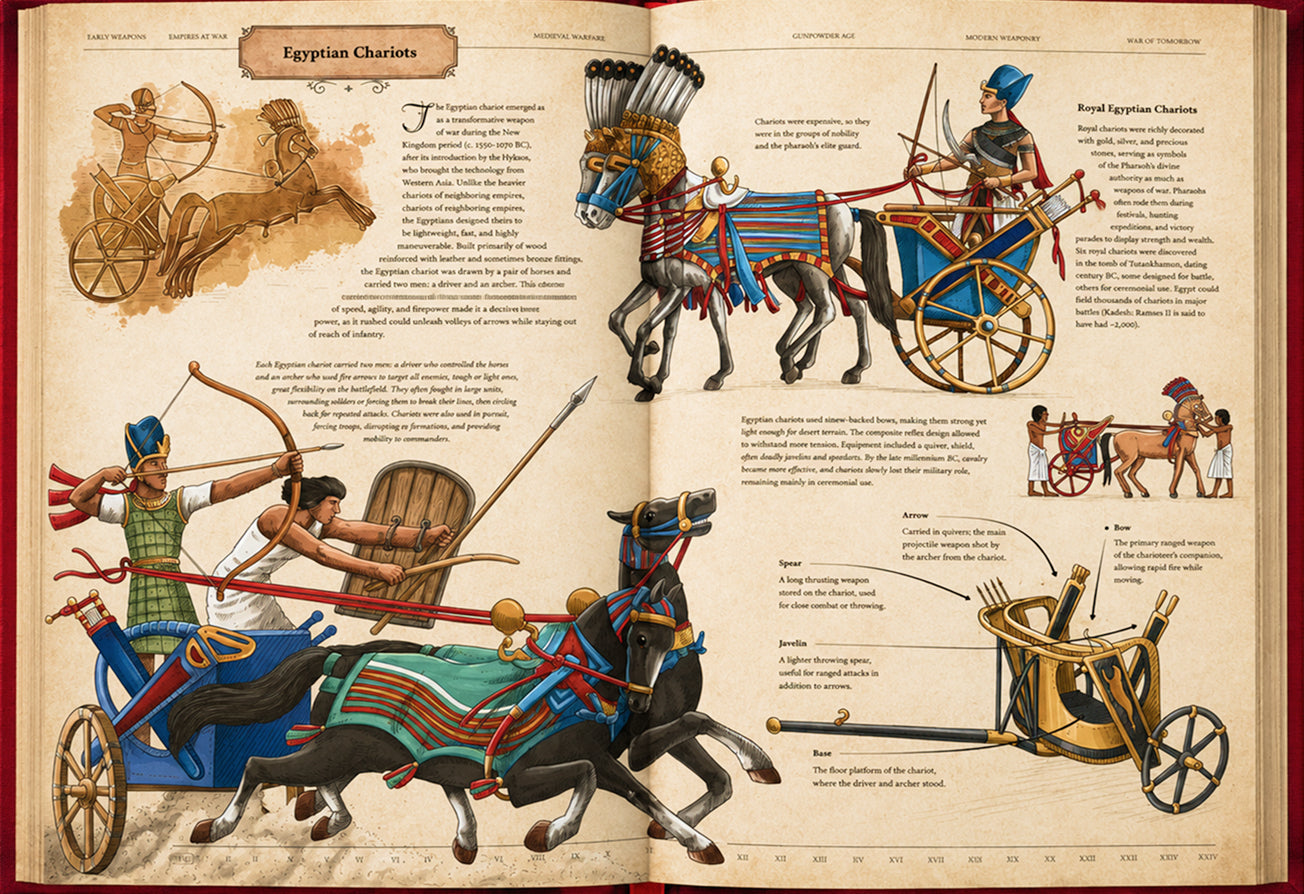
There are no cartoon characters. No mascots. No "Did you know?" boxes with easy facts. The Codex shows you how something works the way a genius from the 15th century would show you — with a diagram that rewards ten minutes of looking, and rewards it again the next day.
My son opened it expecting to be briefly interested. He sat down and didn't move for an hour and forty minutes.

When he eventually looked up, his first question was: "Did they actually build catapults like this, or is this made up?" Twenty minutes later he was drawing his own siege engine in his notebook — a design he'd invented based on what he'd seen. He didn't ask me for the iPad once that evening.
He hasn't asked me to limit his time with the book.
"I genuinely thought nothing could hold his attention the way a screen could. I was wrong. He has gone back to that book every single day for three weeks. He told his teacher about trebuchets."
Attribution: Rachel T., verified buyer, Texas
Why screens win — and why this book beats them anyway
Understanding why screens are so hard to displace is the first step to actually displacing them.
Screens win because they are infinitely responsive. Every tap gives feedback. Every swipe gives a reward. The dopamine loop is engineered by the smartest people in the world. Your child's brain isn't broken — it's been optimised by a multi-billion dollar industry specifically to crave that loop.
Most alternatives fail because they can't compete on responsiveness. A book with a plot is too slow. A puzzle set has a finite endpoint. Art supplies require the child to generate the idea themselves, which is exactly the skill that's been atrophying under screen use.
The Codex works because it solves this differently. It is visually overwhelming in a good way. Every illustration has the same quality of density as the most detailed video game environment — there is always more to find. But crucially, it is not responsive. It requires the reader to be the one doing the work. To look. To question. To wonder.
That is a muscle your child has probably stopped using. The Codex is what brings it back.
- Works from age 5 to adult — the same page will catch different things at different ages
- Covers history, science, engineering, physics, and art without feeling like a textbook
- No WiFi, no account, no subscription, no notifications — just the page
- Creates natural, hours-long conversation between parents and children
- Pairs with any approach: classical, Charlotte Mason, eclectic, or just Tuesday evenings at home
"We have a no-screens-before-noon rule in our house. It was a war every single morning until The Codex arrived. My daughter now gets up before I do and reads it at the kitchen table. I found her there at 6:45am last Tuesday. I stood in the doorway and didn't say anything because I didn't want to break the spell."


Hand-Illustrated in Ukraine, under fire
This is not a book that was assembled in a factory or outsourced to a design agency. It was created by 12 Ukrainian illustrators — working through the Russian invasion of their country. Some illustrated their sections during power cuts. Some continued from temporary shelters. One worked by candlelight during a six-hour blackout in December 2024.
The project was led by Vlad Khvyshchuk and the Rebel Thinkers team, who launched a Kickstarter in November 2024 with a goal of $5,000.
They raised $508,241 from 5,327 backers in 44 days. The book sold out twice.
Every copy sold supports the studio directly. When you hold The Codex, you are holding the work of people who chose to make something beautiful and permanent for the world's children while their own country was being destroyed. That is the kind of story that deserves to sit on a shelf in your home. And it is the kind of story worth telling your children while they are looking at the pages.
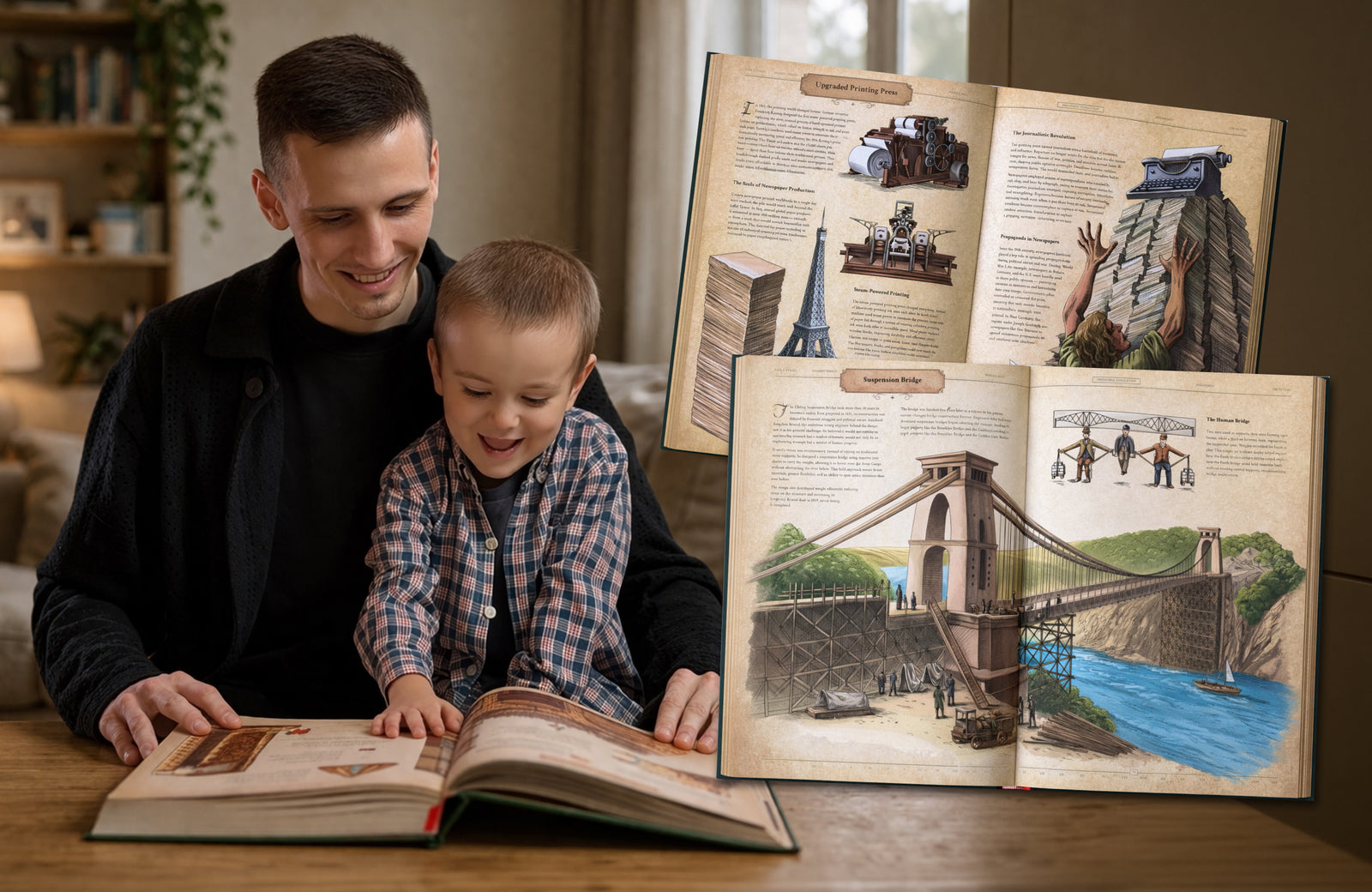
My 7-year-old asked me to explain how a printing press works, then how paper is made, then where trees come from. We spent two hours going deeper and deeper into one page. I haven't had a conversation like that with him since he was four, before the tablet arrived.

Bought it for my 9-year-old grandson. His mum texted me three days later: 'He took it to school to show his teacher. She kept it overnight to look at it herself.' I have never received a better compliment on a gift in my life.


A screen delivers content. The Codex makes your child generate it. Every page is a prompt, not an answer. That's the difference between consumption and curiosity — and curiosity is what you're trying to restore.

: Parents who pick up The Codex "just to see" consistently sit down and don't get up. It turns screen-free time from a battle into something you both want. That shared hour over a book is the family time you've been trying to carve out.

Because a 6-year-old and a 9-year-old find completely different things in the same page. The density of detail means The Codex grows with your child. It's not a novelty — it's a permanent object in your home library that earns its place every year.
The Codex: Inventions of the Human Mind
350 pages illustrated encyclopedia made for families who want something real on their bookshelf. This is not a children's book. It's a book for curious minds — at any age.
- Made by 12+ Ukrainian Artists
- Perfect Gift
- Inventions Encyclopedia For All Ages
- Meaningful Family Time
What parents ask before they order
Will this actually hold my child's attention, or will it last a week like everything else?
That's the right question, and the honest answer is: we can't guarantee it works for every child on every day. What we can tell you is that the children who don't engage immediately are usually the ones who have had the heaviest screen exposure — their attention muscle is the most atrophied. Most parents report that within 2–3 sessions, something shifts. The book rewards patience in a way screens don't, and children figure that out. If it genuinely doesn't work after two weeks, we'll refund you in full. No questions.
What ages does this actually suit?
Ages 5 and up can engage with the illustrations independently. Ages 7–14 are the sweet spot — old enough to read, young enough to be genuinely astonished. Teenagers frequently pick it up expecting to be bored and disappear with it for an hour. Adults read it cover to cover. We have customers aged 6 and customers aged 78. The honest answer is: curious minds, any age.
Is this suitable for screen-free time or is it also educational?
Both, without trying to be either. The Codex covers history, physics, engineering, and art — but it never tests, grades, or instructs. It simply shows. Some families use it as a curriculum anchor. Others leave it on the coffee table and let curiosity do the work. Both approaches produce the same result: children who ask more questions.
Is it a limited edition? Can I get it later?
The Codex has already sold out twice since its Kickstarter. The current print run is available now, but we cannot guarantee a third print run date or timeline. If you are considering it for a birthday, holiday, or family gift, ordering now is the safer choice. We ship in 3–8 business days worldwide.