


Here's something most history books never point out: the same event usually produced both a weapon and a breakthrough.
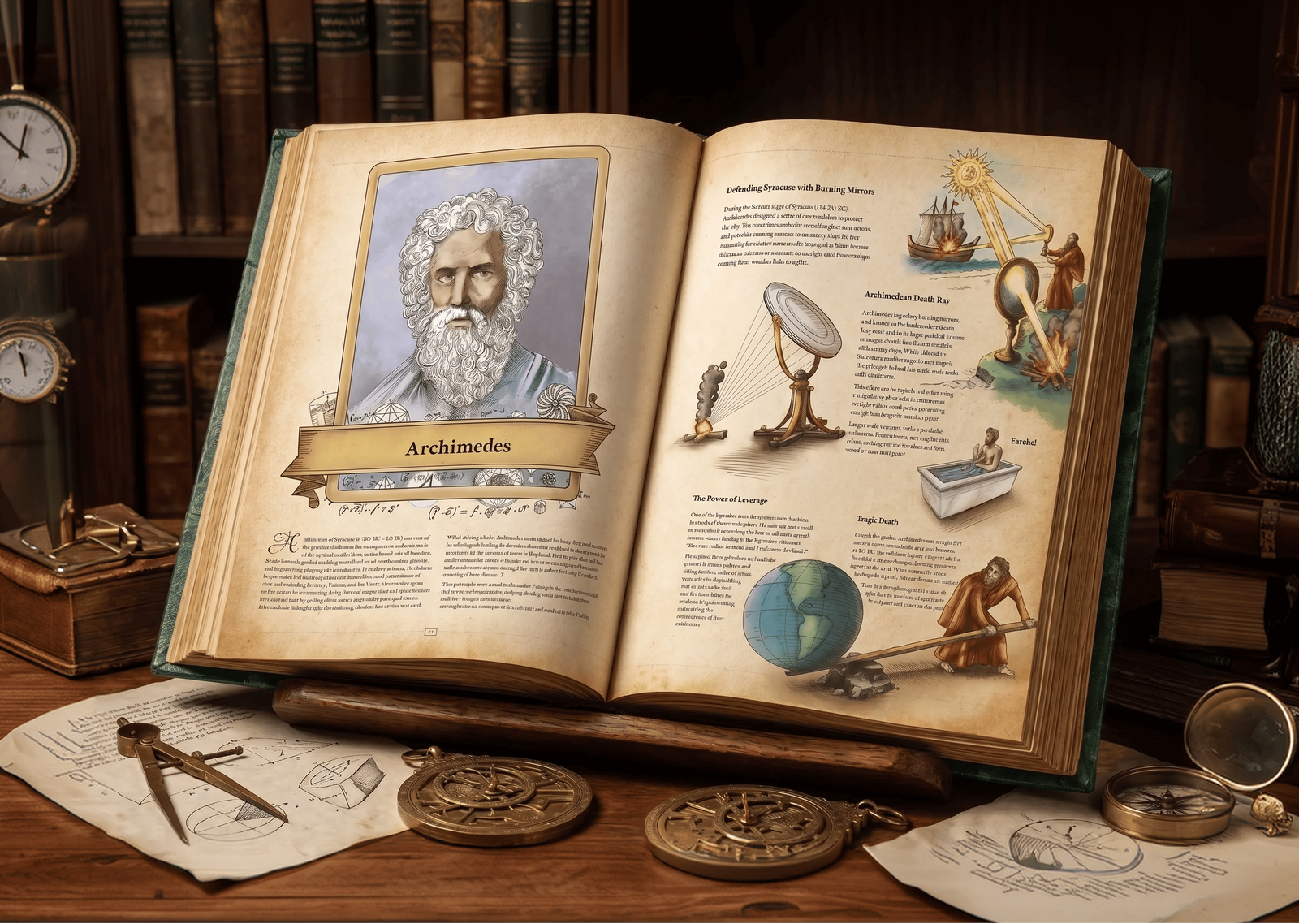
Take the Siege of Syracuse. Archimedes is remembered today as a mathematician — the man who shouted "Eureka" in a bathtub. But the Romans who besieged his city in 214 BC remembered him differently. He built claws that hauled enemy ships out of the water. Mirrors, according to legend, that set sails on fire. Catapults calibrated with mathematical precision most engineers wouldn't match for another thousand years. The same mind that gave us the principle of buoyancy also built the machines that held off Rome's army for two years.
That pattern repeats constantly, if you know where to look.
Invention and war aren't two separate subjects. They're two ways of telling the same human story — one about what we built to survive, the other about what we built to understand. Most books pick a side and stay there. Ours doesn't.
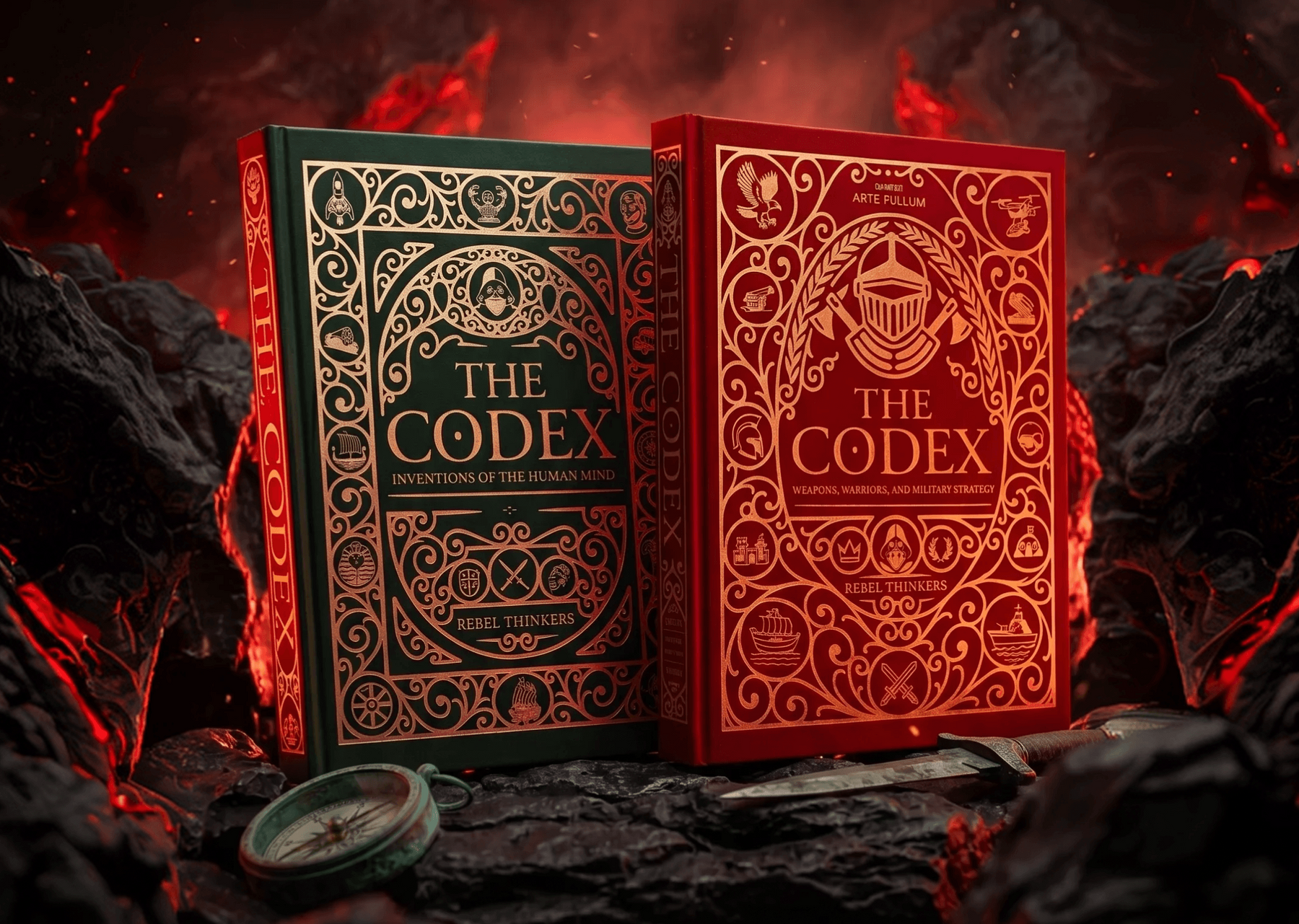
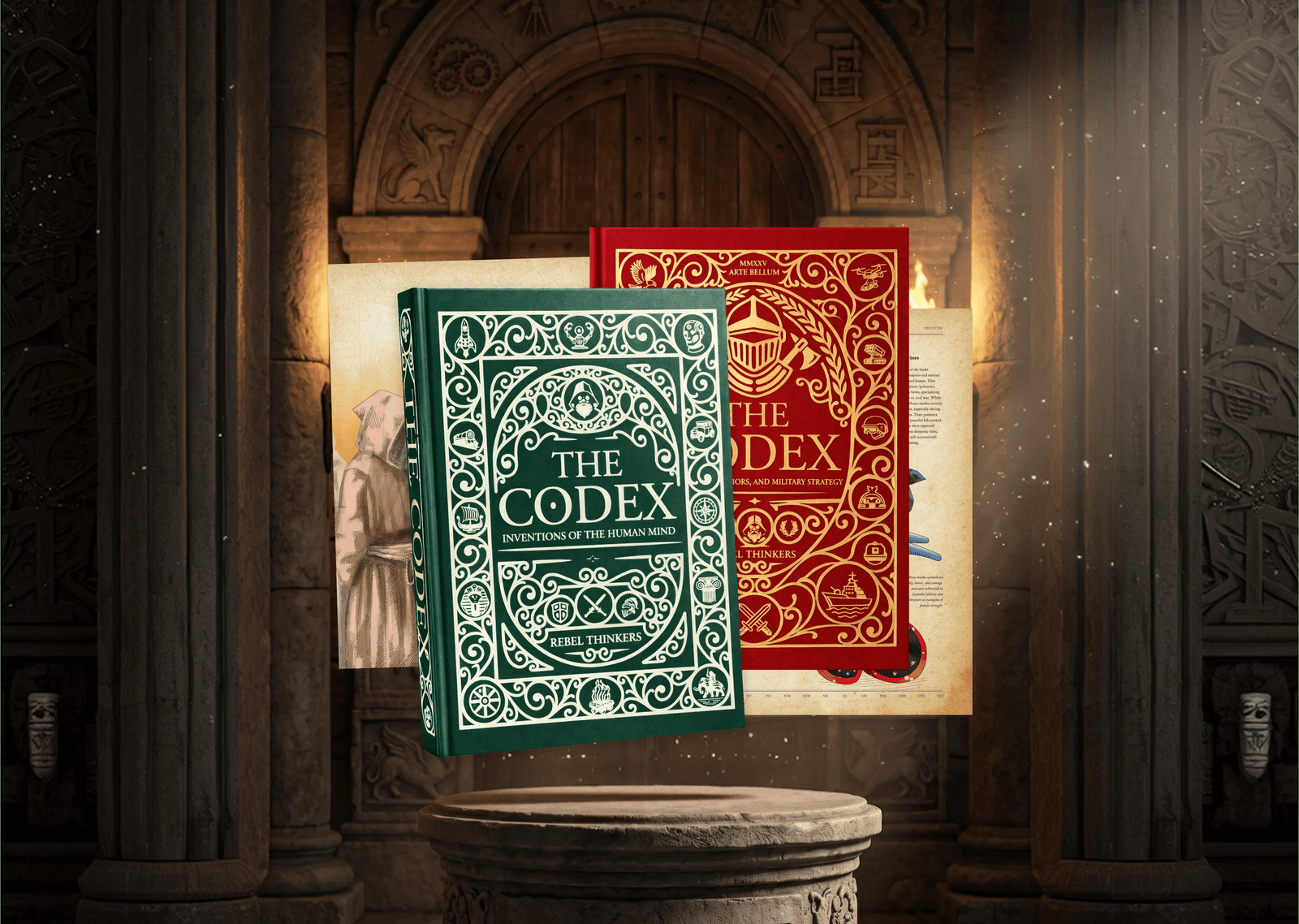
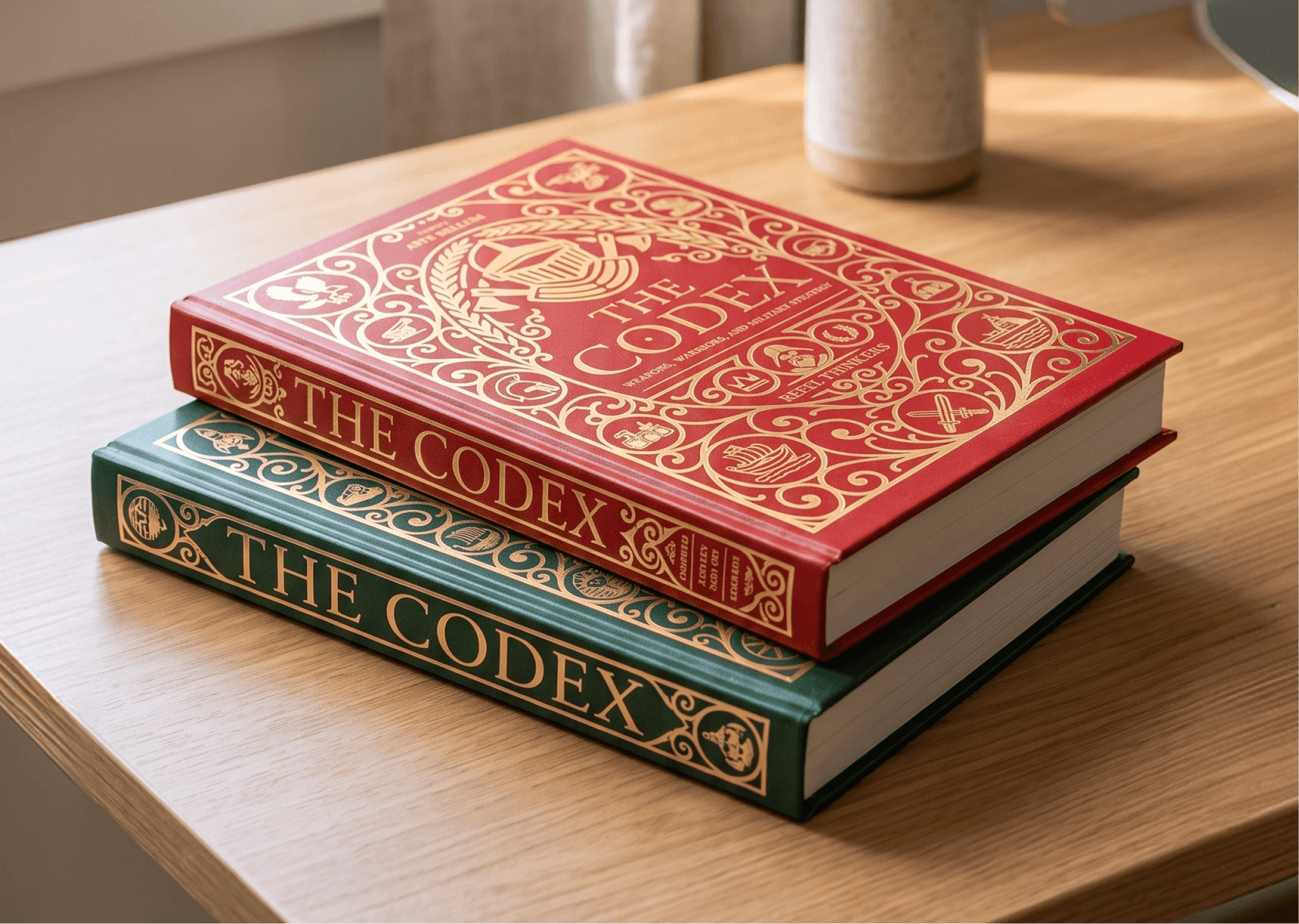
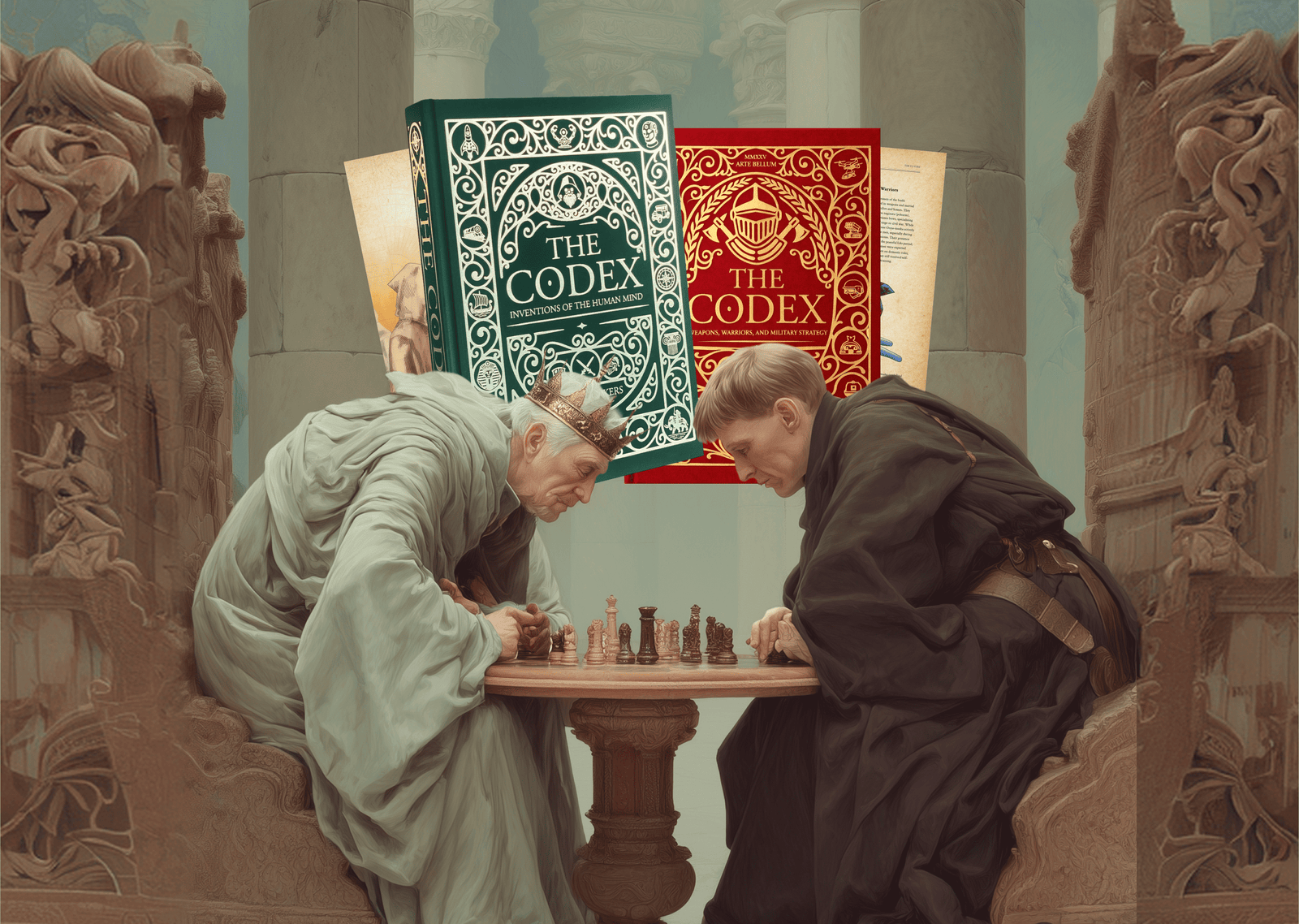
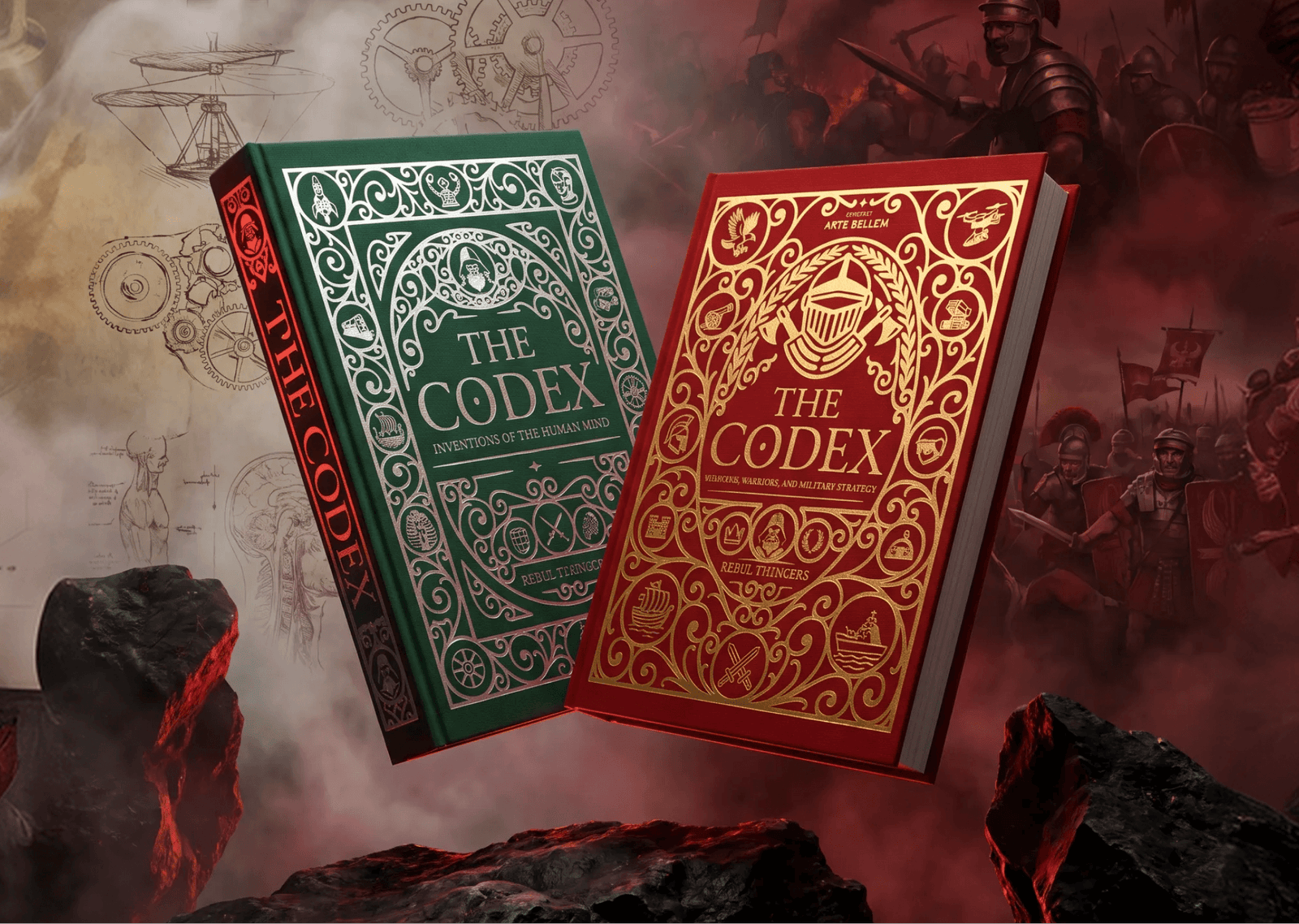
That's the whole idea behind Rebel Thinkers' two-volume Codex series — one book that traces the story of invention, and a companion volume that traces the story of war, both built to the same standard, so you can read history through either lens, or both.
Two Volumes, One Series — What Actually Separates Them
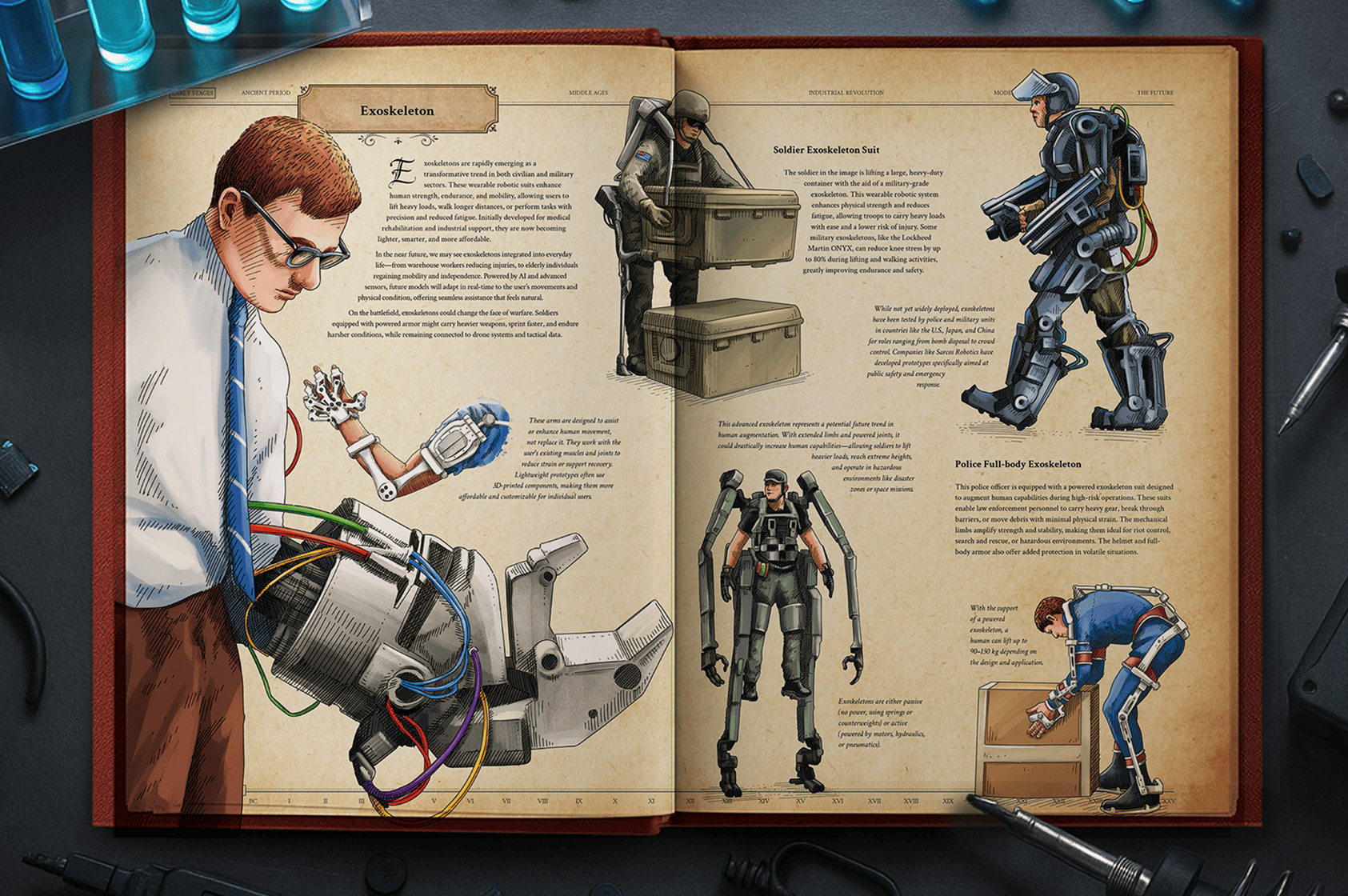
The Codex: Inventions of the Human Mind is the flagship. 328–350 pages, 900+ hand-drawn illustrations in a Da Vinci-notebook-inspired style, covering 150+ inventions across six eras — from the Early Stages of human tool-making through Antiquity, the Middle Ages, the Industrial Revolution, Modernity, and a final chapter looking at The Future. Archimedes, Avicenna, Da Vinci, Copernicus, Newton, Edison, Tesla, Einstein, Marie Curie — the people who reshaped how humans understand and build.
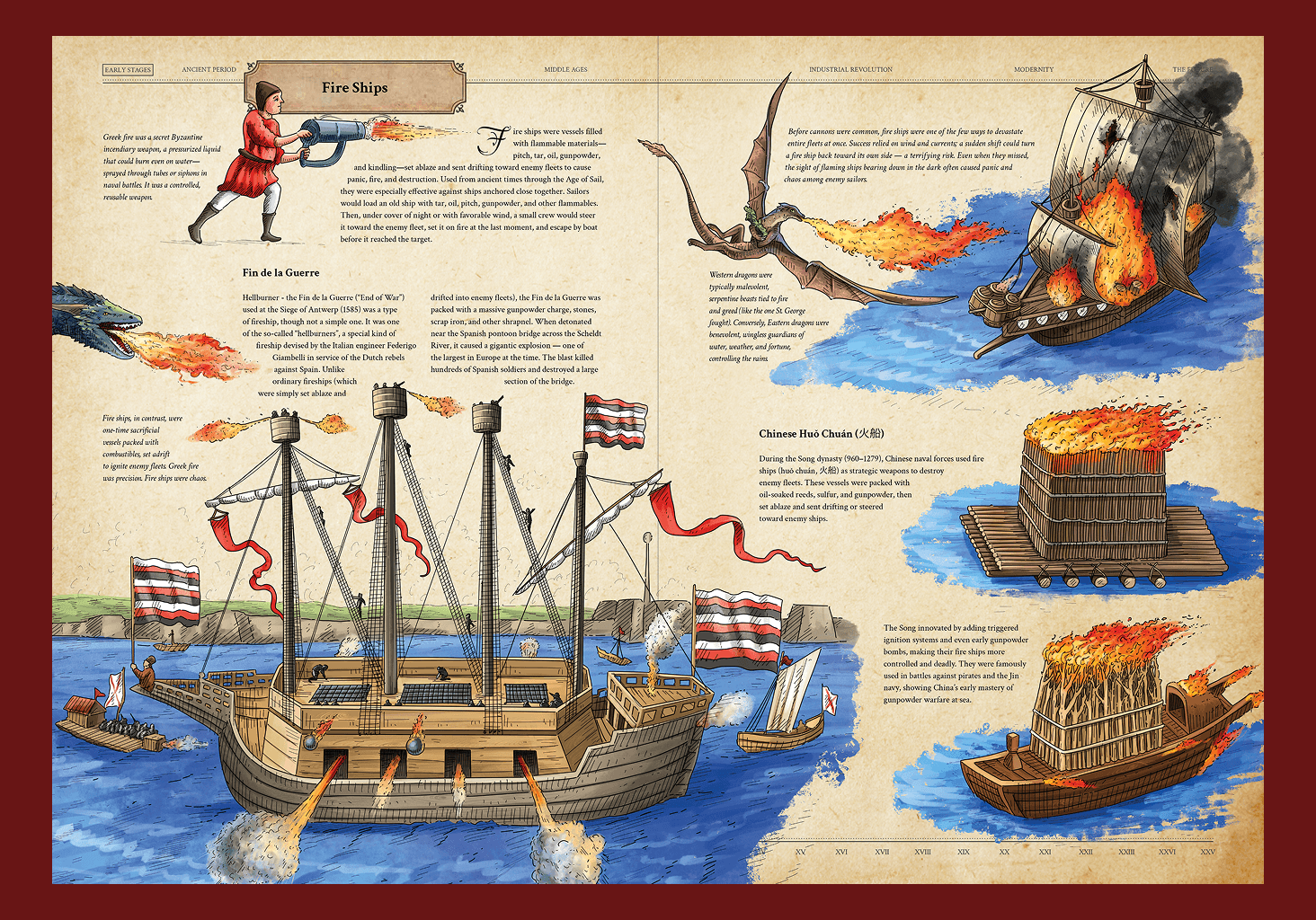
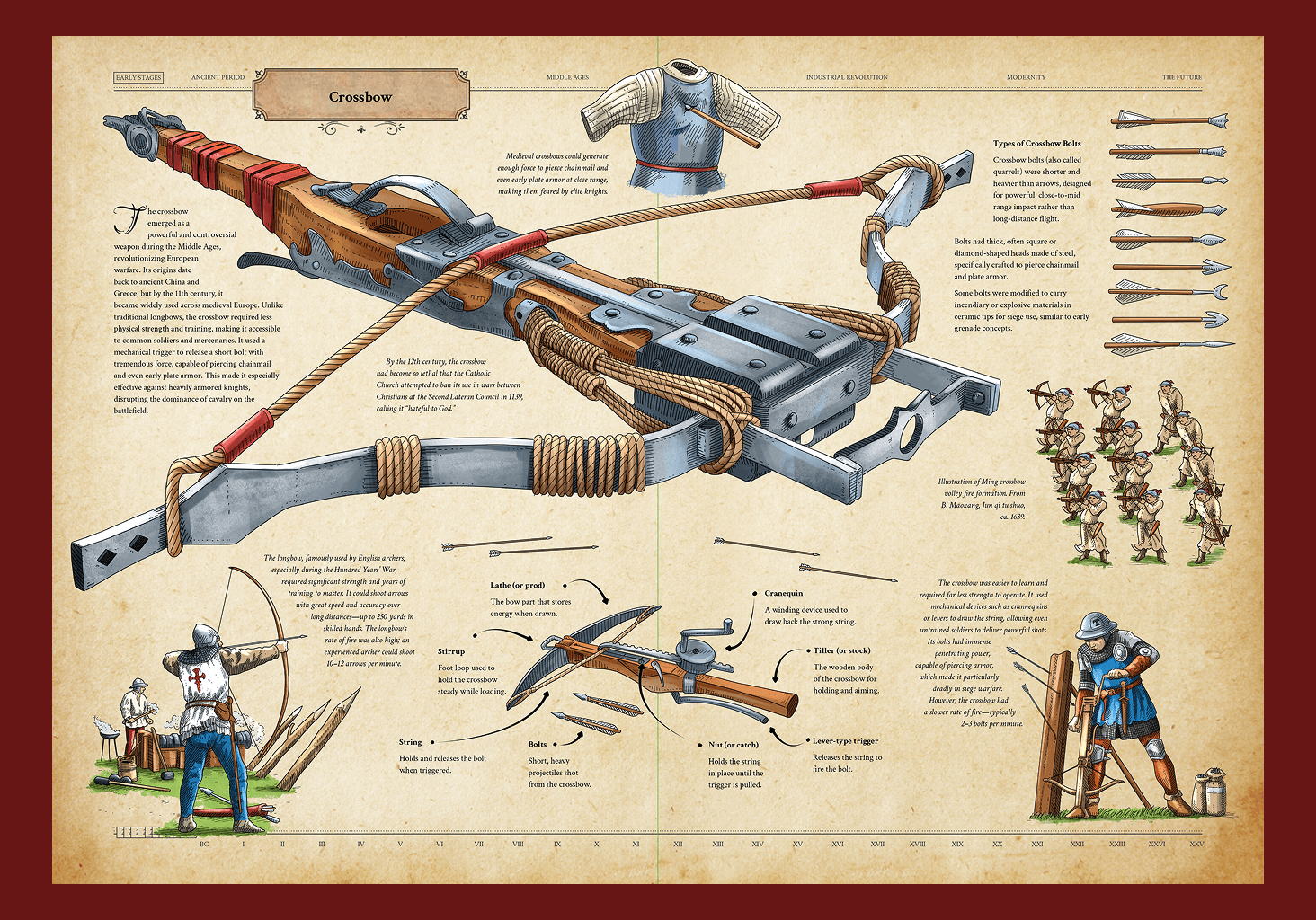
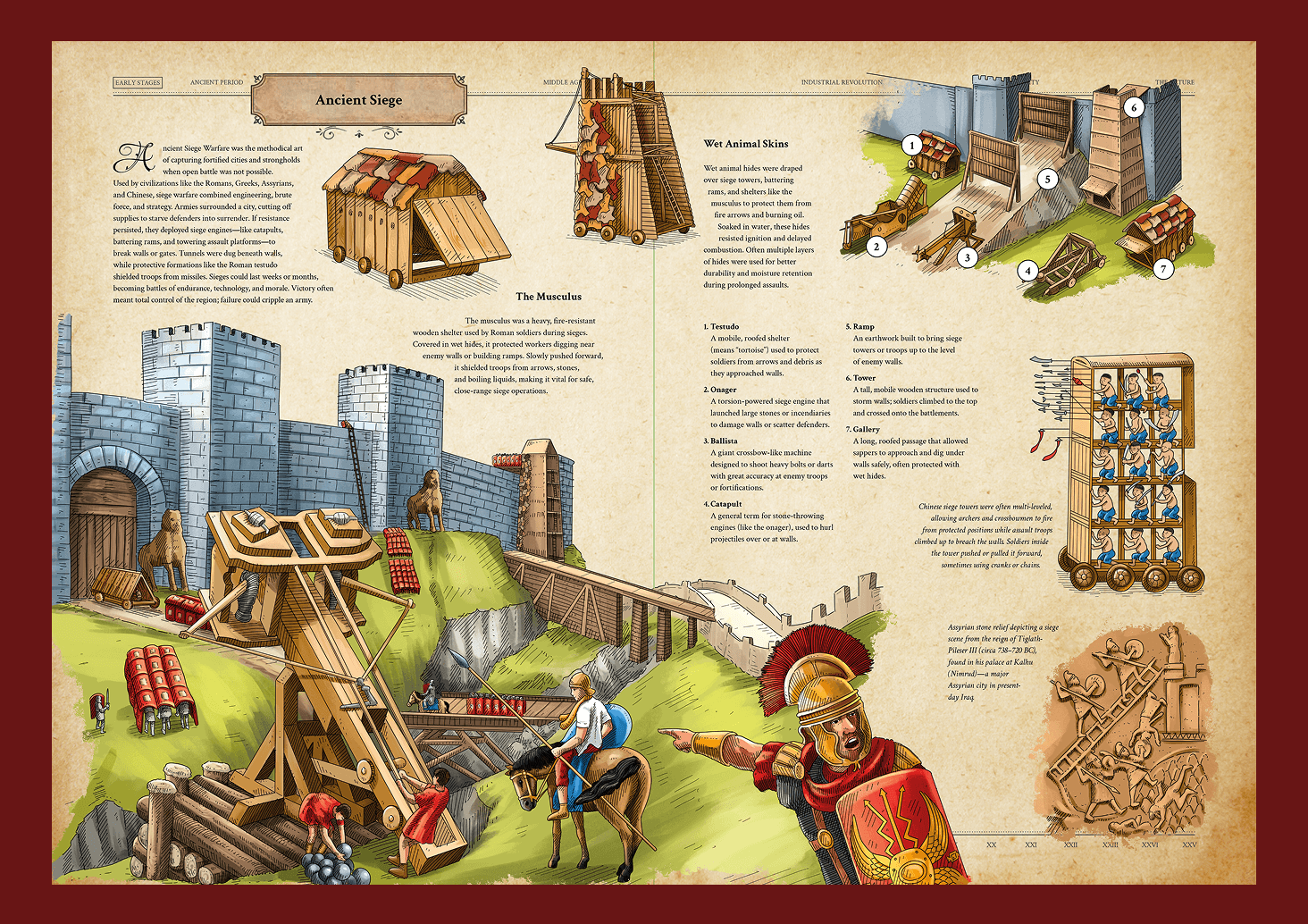
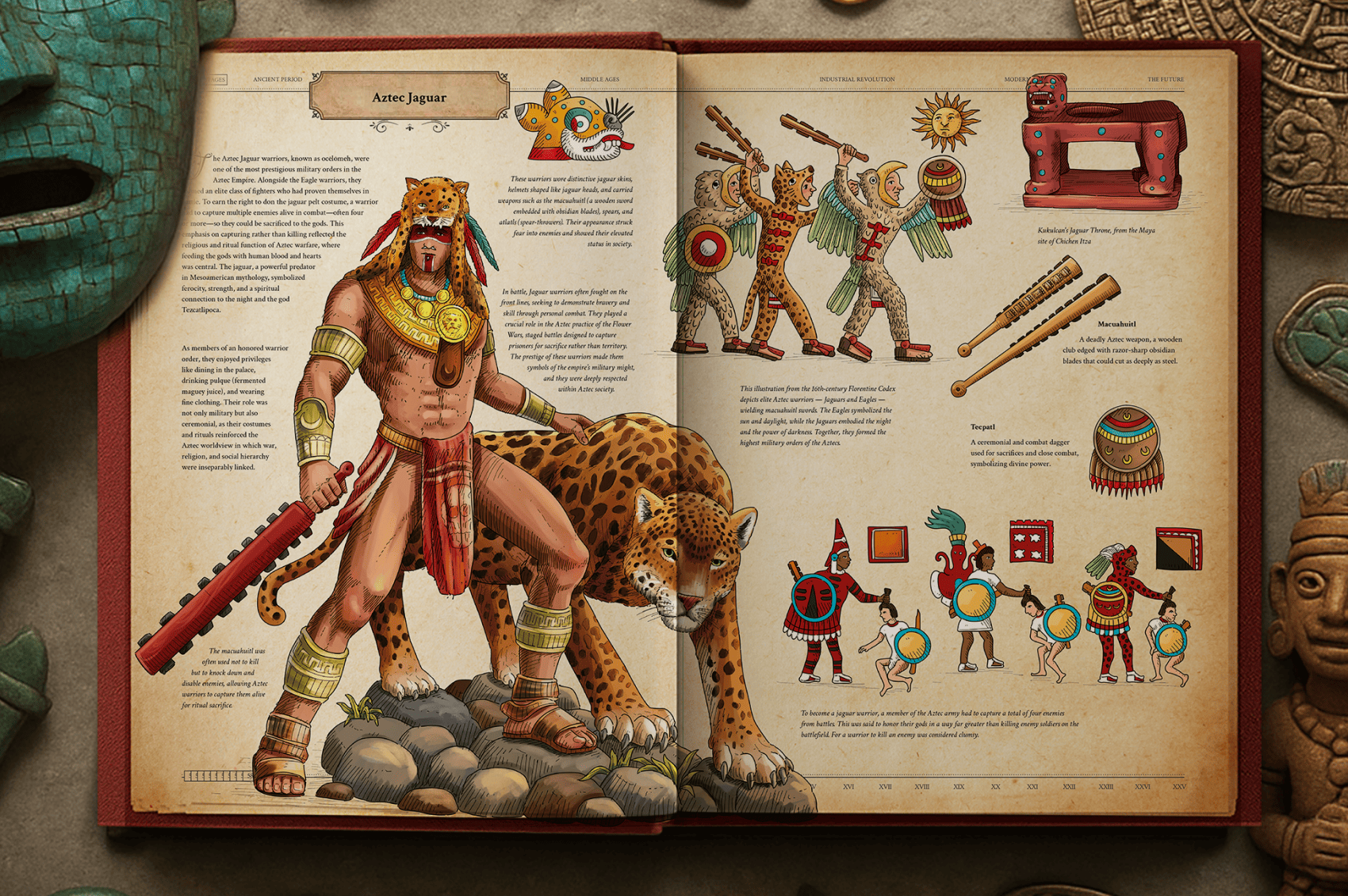
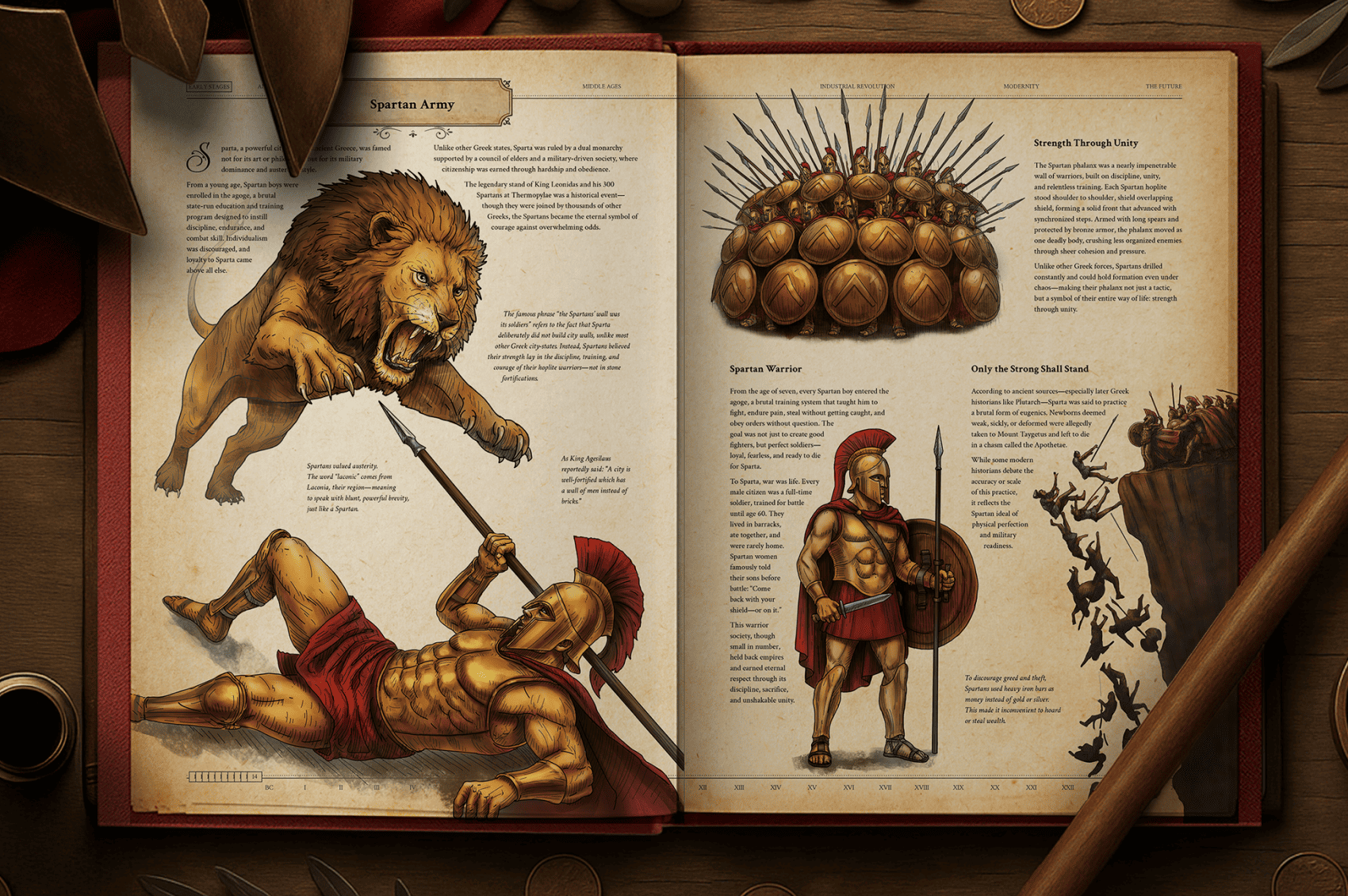
The Codex of Military History is the companion volume — same format, same production quality, same six-era structure, but a completely different subject. Weapons, warriors, strategy, and the leaders who shaped empires through conflict, from Early Weapons all the way through to what the book calls the War of Tomorrow. It's explicitly built as a study of how war shaped civilization, not a glorification of it — the kind of honest, unflinching history that respects the reader's intelligence.

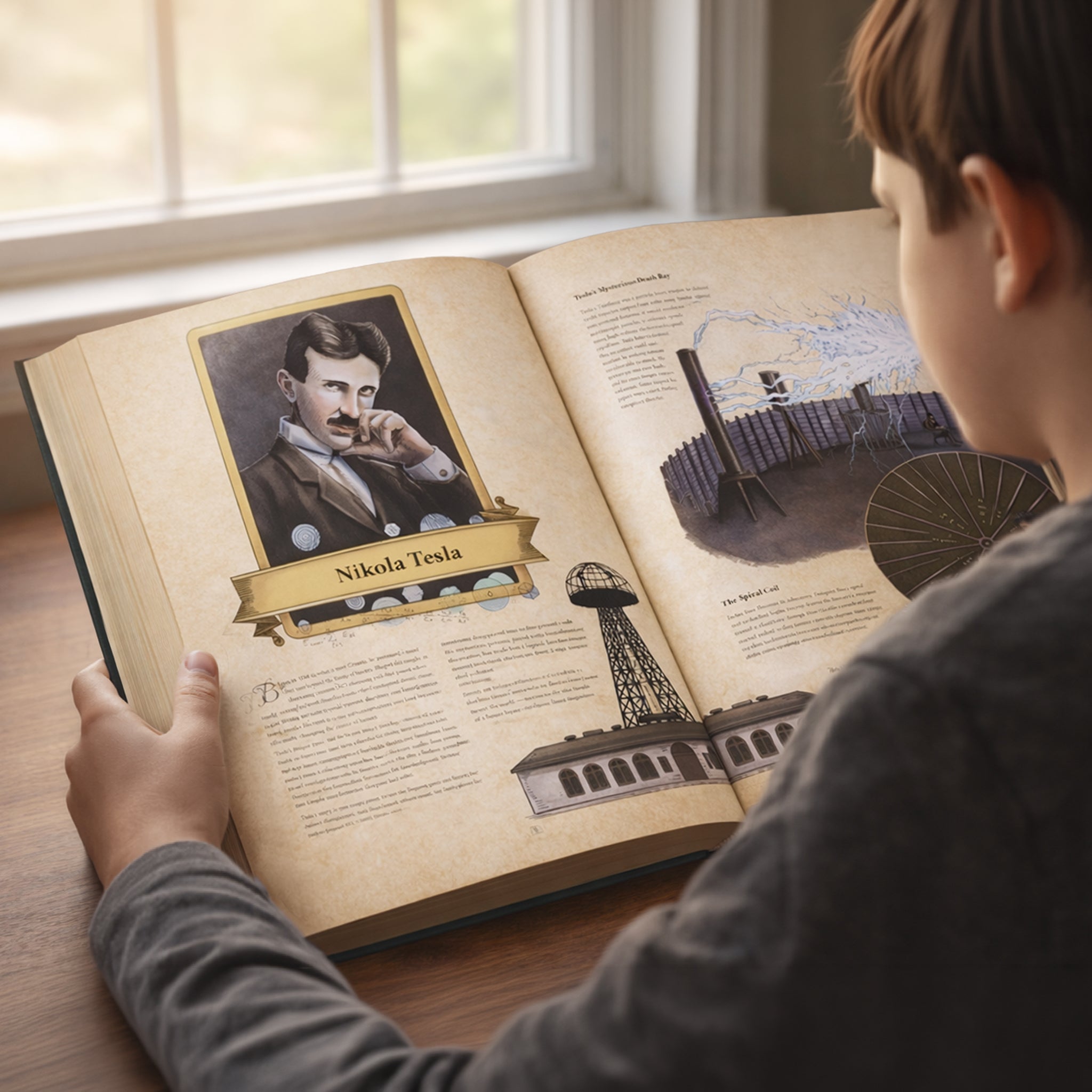

Here's what doesn't change between them: every illustration in both books is hand-drawn — no stock imagery, no AI-generated final art. Both arrive as foil-stamped hardcovers on 160gsm archival paper, larger than A4, with silver-gilded page edges and a protective collector's slipcase. Both were illustrated by the same team of 12 Ukrainian artists. If you've held one, you already know what the other feels like in your hands.
The difference isn't quality. It's which story you want in front of you first.
One of the few books I would like my grandchildren to inherit as an ageless classic.
Ben G., Spain
So Which One Should You Get First?
If you're drawn to the "how did we get here" question — the mechanics behind flight, electricity, medicine, the printing press, the internet — start with Inventions. It's the bestseller for a reason, and it's the broader entry point into the series.
If you gravitate toward strategy, leadership under pressure, and the hard truths of how empires actually rose and fell, Military History is the one that'll hold you. It doesn't flinch from the subject, and readers who care about that honesty tend to notice it immediately.
But talk to the people who've bought one, and a pattern shows up fast: most of them come back for the other. The two books were built to sit next to each other for a reason — invention explains what humanity created, war explains what humanity was forced to create. Read side by side, they fill in each other's gaps.
- Same premium format — foil-stamped hardcover, 160gsm archival paper, gilded edges
- Same hand-illustration standard — 12 Ukrainian artists, zero stock imagery
- Same six-era structure, so both volumes read as a matched set on your shelf
- Gleiche Rückgaberichtlinie und gesetzliche Rechte für beide Bücher
- Bundle pricing available if you're getting both — see below
I backed the original Kickstarter for myself — however my 7-year-old son has ended up liking the book as well.
Both Books Were Made the Same Way — Under Circumstances You Should Know About
Every illustration across both volumes was hand-drawn by one of 12 Ukrainian artists, working out of Kyiv, Lviv, and smaller cities across the country. Some of that work happened through power cuts and air raid sirens. One artist finished a spread by candlelight during a six-hour blackout in December 2024.
The series launched on Kickstarter in November 2024 with a modest $5,000 goal. It raised $508,241 from 5,327 backers in 44 days, and the first two print runs sold out. Every copy sold — of either volume — supports that studio directly. It's a document of human determination, dressed as a pair of books about human invention and human conflict.
I didn't expect much, to be honest! Then I opened this HUGE book... I ended up sitting down and losing track of time.
I bought it for my father's 70th birthday. He's a retired engineer who has read everything about the industrial revolution. He called me the day it arrived to tell me it was the most interesting book he'd owned since university.


Invention and war shaped each other constantly. Owning both volumes means you're never missing half the story.

Matching formats, matching craftsmanship, matching six-era structure — the two volumes were designed as a set.

If you've been going back and forth on which to buy, the bundle means you don't have to choose.
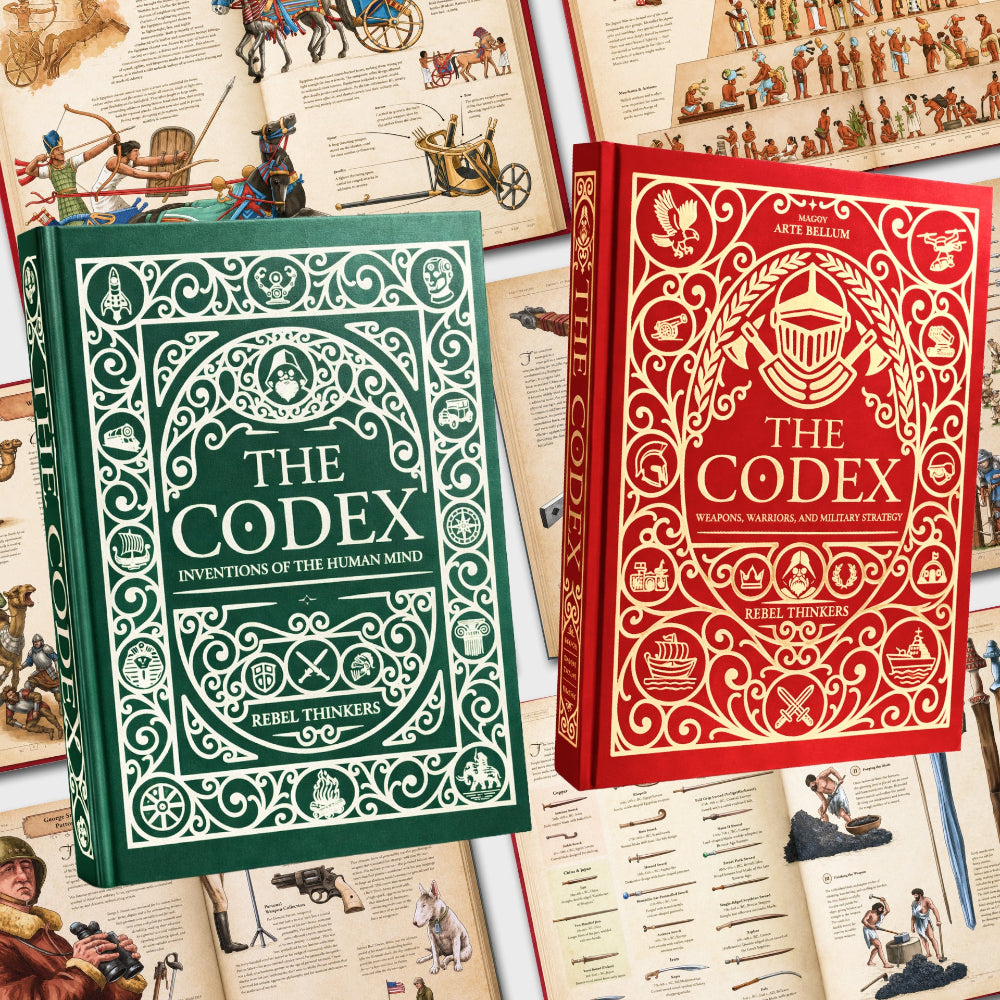
The Codex Series Bundle
Both volumes — Inventions of the Human Mind and Military History — together as a complete, gift-ready collector's set.
- 650+ combined pages, 1,800+ hand-drawn illustrations
- Both foil-stamped hardcovers with protective slipcases
- Arrives presentation-ready in a premium gift box
- Priced below buying each volume separately
Frequently asked questions
Do I need to read Inventions before Military History, or vice versa?
No — the two volumes are companions, not sequels. Each stands on its own. Reading order is entirely up to what interests you more right now.
Is one book "better" than the other?
Not in terms of quality — same paper, same illustration standard, same hardcover construction. It really comes down to subject matter: invention and ideas, or war and strategy.
I already own The Codex of Inventions. Can I just buy Military History on its own?
Yes — Military History is sold individually, and the bundle pricing only applies when you're buying both volumes together for the first time.
Is the Military History volume just glorifying war?
No. It's built as a study of how conflict shaped civilization — leadership, strategy, technology, survival — not a celebration of violence. It aims for the same honest, unflinching approach the series is known for.